Navigating VA Healthcare: A Caregiver’s Guide to Unlocking Support
May 8, 2026
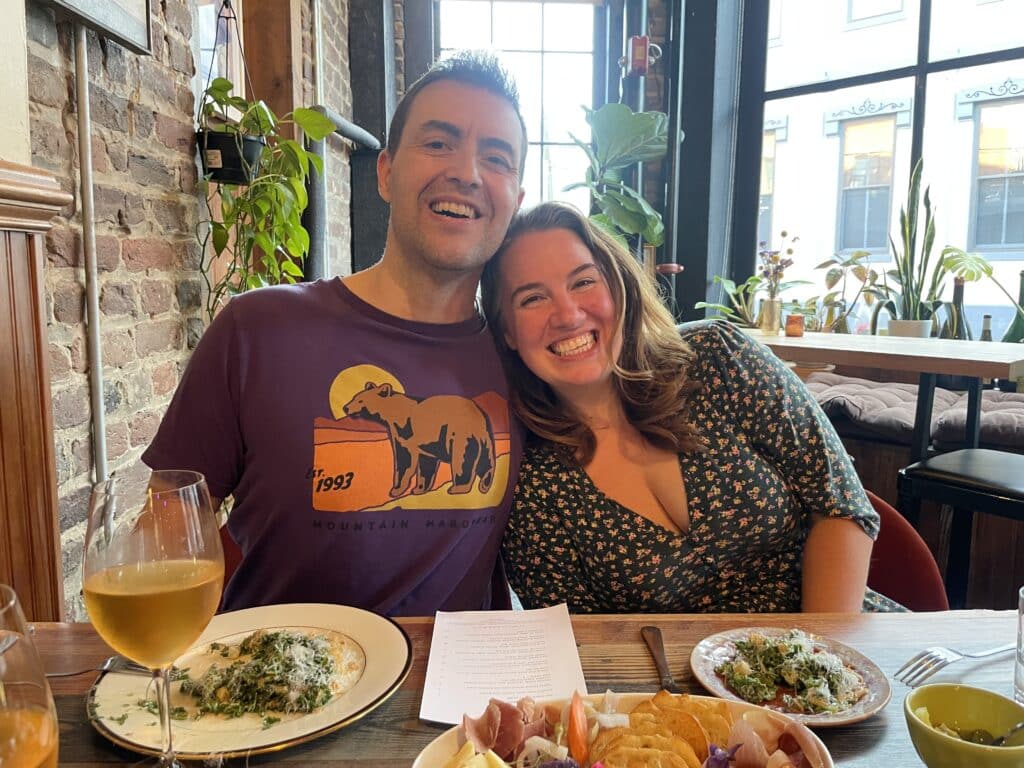
For many Military caregivers, the VA healthcare system can feel overwhelming at first. The paperwork, the processes, the wait times—it’s easy to feel like you’re navigating it alone. But for caregivers like Larkin Garbee, persistence and knowledge can unlock life-changing support.
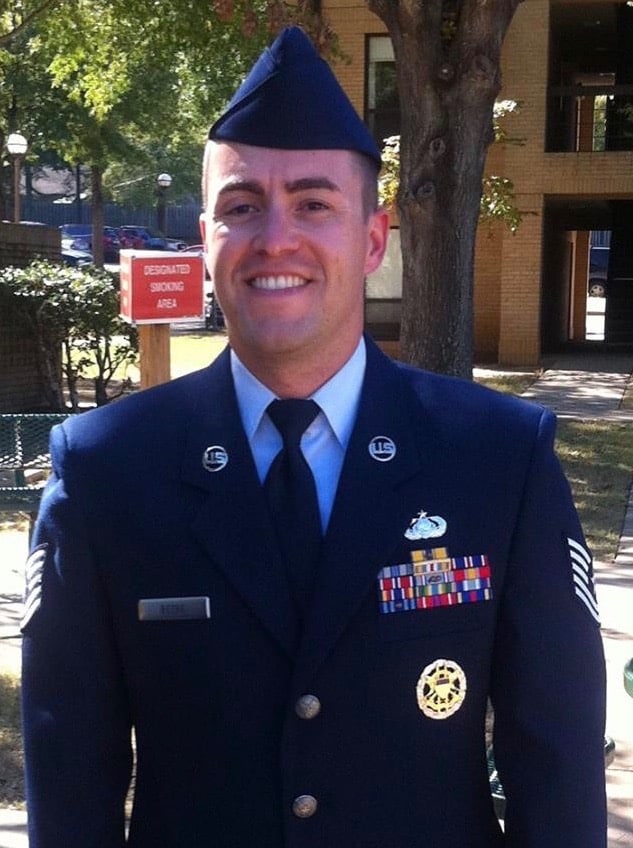
Larkin’s husband, Erin, is a retired Air Force Veteran with a 100% service-connected disability. He served during 9/11 and was on the ground in Washington, D.C., when the Pentagon was attacked—returning the very next day to help restore critical systems. Three years ago, Erin was also diagnosed with Huntington’s disease, making his care even more complicated. Huntington’s disease is often described as having ALS, Alzheimer’s disease, and Parkinson’s all at once. It is a rare, fatal neurodegenerative disease that not only takes a devastating toll on those diagnosed, but also on the loved ones who become full-time caregivers.
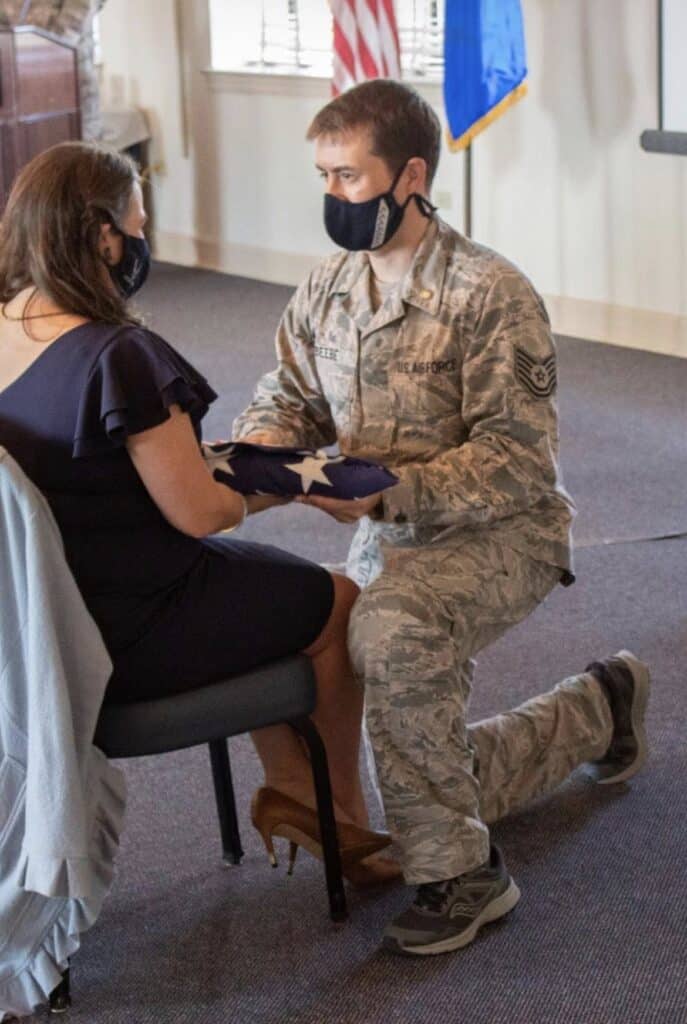
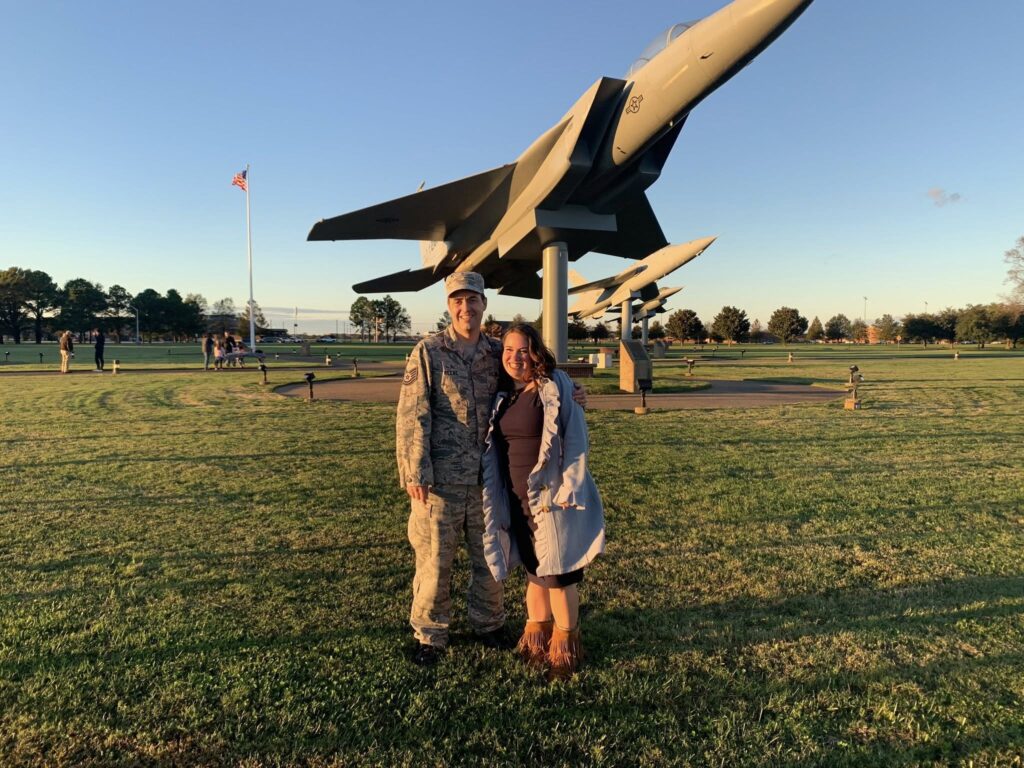
In just a few years, Erin’s progression has been significant. He now lives with constant fatigue, involuntary movements, and challenges regulating his body temperature. Even maintaining weight requires extraordinary effort. Larkin’s experience getting the support and care they needed for her family offers a roadmap for other caregivers supporting Veterans through the VA healthcare system .
Understanding the first step: enrollment opens doors
One of the most important things caregivers should know is that VA healthcare does not replace other coverage, it can work alongside it. “You can keep your TRICARE and also utilize VA healthcare,” Larkin explains.
For many families, that realization is the first breakthrough. Enrolling in VA healthcare unlocks access to a wide network of services, providers, and support programs. Once enrolled, a Veteran is assigned a primary care manager, similar to a primary care physician, who helps coordinate care within the VA system. For caregivers managing complex conditions, this step can open the door to more coordinated and comprehensive support.
Finding the right care model
For Larkin and Erin, one of the most impactful discoveries was the VA’s home-based primary care program. When a Veteran qualifies as “homebound”—which does not necessarily mean bedridden but includes situations where leaving the home requires significant effort—the VA can bring care directly to them. “The first time the doctor came out, she spent two hours with us,” Larkin says. “It was the best one-on-one care we had seen.”
This team-based approach can include physicians, nurses, occupational therapists, and other specialists who work together to manage complex medical needs in a more personalized way. For caregivers balancing multiple appointments across specialties, this model can significantly reduce stress while improving quality of life.
Expanding access through community care
When services aren’t available within the VA—or wait times are too long—the Community Care program can provide referrals to outside providers. This was critical for Erin’s care. Through Community Care, he was able to access specialized treatment at the Huntington’s Disease clinic at Virginia Commonwealth University, ensuring he received the expertise his condition required. Community Care gives caregivers flexibility and access to specialized services that may not exist within their local VA facility.
Financial Support for Caregiving
Many caregivers don’t realize that the VA offers financial support programs designed to ease the burden of care. The Caregiver Support Program allows a designated caregiver—often a spouse—to receive a monthly stipend for providing in-home care. In some cases, caregivers may also qualify for health coverage through CHAMPVA if they do not have insurance. “It gives me an inside advocate,” Larkin says. “If I hit a wall, I have a team I can call to help navigate the system.”
Another option, the Veteran-Directed Care program, provides a flexible monthly budget that can be used to hire help for services like housekeeping, meal preparation, or other daily needs. Each program has different benefits, and caregivers can explore which option best fits their situation.
Adapting the home for safety and independence
The VA also offers grants to help modify a Veteran’s living space for accessibility and safety. Programs like Specially Adapted Housing (SAH) and Special Housing Adaptation (SHA) can fund projects ranging from installing ramps to completing major home renovations. There are also vehicle adaptation grants that help Veterans maintain independence through accessible transportation. “These programs can be life-changing,” Larkin shares. “But you have to know they exist and apply.”
Everyday support that makes a difference
Beyond major programs, the VA offers a wide range of services that can improve daily life for both Veterans and caregivers. In Larkin’s experience, these included in-home occupational therapy to recommend adaptive equipment, mail-order pharmacy services that deliver medications directly to the home, Whole Health programs including virtual music therapy and wellness resources, and access to social workers and care coordination teams. “These are things I wouldn’t have thought about in the beginning,” she says. “But they’ve made a real difference.”
Persistence is Key
While the VA offers extensive resources, navigating the system takes time, organization, and persistence. “Be both patient and persistent,” Larkin says. She recommends staying on top of applications and follow-ups, working closely with a Veteran Service Officer (VSO), using the VA app to track claims and benefits, and keeping detailed notes on contacts, steps, and timelines. At times, even necessary services may require appeals or additional documentation. In Larkin’s case, it took more than a year to update Erin’s disability rating to reflect his current condition, unlocking additional benefits once approved.
Advocacy changes outcomes
Perhaps the most important lesson Larkin shares is the power of advocacy. Caregivers must often act as coordinators, researchers, and advocates—all while providing daily care. “You need to be your own best advocate through the process,” she says. That advocacy can mean pushing for approvals, gathering medical documentation, or simply refusing to let a request fall through the cracks.
You are not alone
For caregivers supporting Veterans, the journey through the VA healthcare system can feel isolating—but it doesn’t have to be. Programs exist. Support is available. And with the right information, caregivers can access the resources their loved ones have earned through service. Larkin’s experience is a reminder that while the system may be complex, it is also full of opportunities for care, connection, and support.
If you are caring for a Veteran, start by exploring VA healthcare enrollment and connecting with a Veteran Service Officer. From there, each step forward can unlock new levels of support. Because no caregiver should have to navigate this journey alone.

Ashley Ray has been a member of the Soldiers’ Angels communications team since 2013. She supports blog writing and social media and loves telling stories of Angel volunteers, Service Members, and Veterans.