Before You Enlist: Advice for Anyone Joining the Military
November 15, 2025
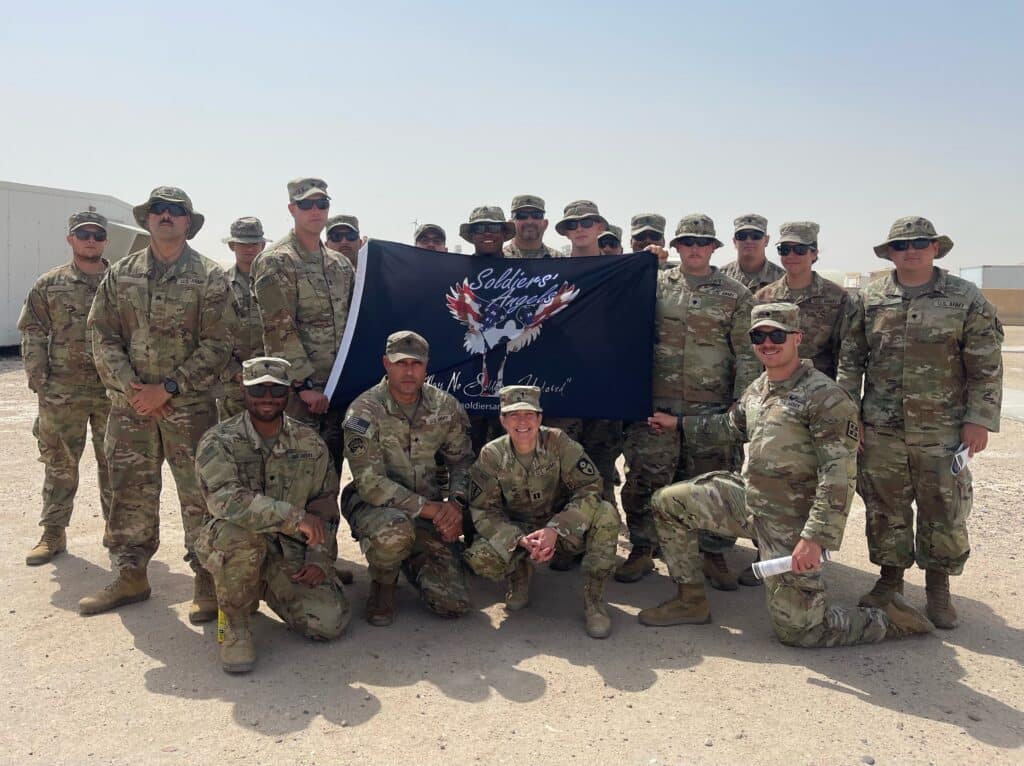
At Soldiers’ Angels, we take pride in hiring Veterans and recently separated Service Members who continue to exemplify dedication, discipline, and leadership after their time in uniform. In this blog, we’re honored to share firsthand testimonies from these Veterans who reflect on their experiences serving in the U.S. military — the challenges they faced, the lessons they learned, and the advice they’d give to anyone considering enlisting. Their stories offer authentic insight into military life, from the pride of service to the realities of transition, reminding us that the spirit of service doesn’t end when the uniform comes off.
Mike Jimenez
Airforce Senior Master Sergeant – 25 Years (Retired)
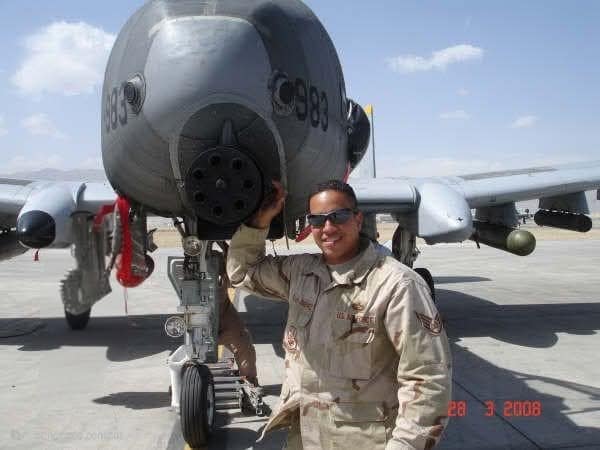
So, for me, before joining the military, I just wanted to get out of PR due to how bad it was getting, and I saw myself working for not too much money, I didn’t have a plan at all. I just wanted to join. The funny thing is that my first day in basic training was when I knew that I wanted to do this for as long as I could.
But I can talk about what I have seen through my career from new Airmen.
Things to consider before you enlist
If this is something you have been thinking about doing for a while, plan ahead.
- Research branch, learn the differences between them, their missions, lifestyle, and advancement opportunities and what job or jobs are you interested in doing.
- Study enough before taking the ASBAV. That way you can score high enough, so you have a variety of jobs to qualify for.
- Try to think about how the job or jobs you like will transfer to civilian life or possible business in the future. You are not going to do this forever.
- Learn about basic training and the expectations of the branch you choose. Understand military discipline, chain of command, and culture.
- I would consider beforehand the impact on family or relationships. You are going to be away for some time before seeing your family. You have to prepare before you need to put all you have into what you are doing. Distractions can cause depression, anxiety, and safety issues. You have to be prepared mentally.
- Talk to veterans for real insights — not just recruiters.
- Don’t be in a hurry and pick the job you want. When I joined, I had a job in mind and didn’t leave MEPS until I got it because if not, I was walking out. I stayed in the same job through my 25-year career.
- Financial Preparation – These are some of the stuffs I wish I had started earlier and stuff that I have seen Airmen struggle with.
- Understand military pay structure (base pay, BAH, BAS, special duty pay).
- Research bonuses and enlistment incentives.
- Set up savings goals before leaving for basic.
- Learn about Thrift Savings Plan (TSP) — start contributing early.
- Avoid debt or get credit in good standing before joining.
Things to consider while in the military
- Whatever job you decide to take, become the best at it. Learn the job inside and out from the moment you’re in technical school. There will be plenty of time to have fun and party. Don’t waste your time.
- Career Development
- Keep copies of all evaluations, awards, and certifications.
- PME (Professional Military Education) will come with rank but it doesn’t mean that you should stop there. Look for leadership courses & schools to enhance your leadership development.
- Look for special duty opportunities (recruiter, instructor, embassy duty, etc.).
- Education & Certifications – Take advantage
- Use Tuition Assistance (TA) for college while serving. You can get your Associate’s Bachelor’s, Master’s..etc., while in the service. The tuition is paid in full; you must obtain the grades they require to maintain y your TA status
- Use CLEP/DANTES tests to earn credits for free.
- Earn civilian-recognized certifications in your field (CompTIA, AWS, EMT, etc.). For example, the Air Force have AFCOOL where you can get your certification paid for.
- Plan ahead to use your GI Bill efficiently after service, or I would suggest transferring them to your kids.
- Finance & Benefits
- Contribute regularly to the TSP. You get a raise every year. Once you get to a point that you are living comfortably, put that raise in your TSP or invest.
- Take advantage of on-base financial counseling and credit union benefits. There are some really good credit unions and banks out there for you. Some of them will still pay you during the times that you might not get paid due to government shutdowns.
- Family & Life Balance
- Understand childcare, housing, and spouse employment programs.
- Learn about Military OneSource, MyCAA, and EFMP if applicable.
- Keep open communication with family about duty changes or deployments.
- And keep your spouse informed. You would be surprised how many service members don’t keep their spouses in the loop with programs that are for the family.
- Networking & Transition Prep – Really important
- Keep that Connect with mentors, peers and your senior enlisted/officers. They can be a lot of help when you get out. You can also use LinkedIn to build a professional network early during your career. You don’t have to wait until the end.
- Attend career fairs and transition workshops (even years before separation). That way you can see what is out there and how can you prepare better for your transition.
Things to consider before retiring
This is for me the most important and crucial stage because it can set you up for a strong civilian life or can cause struggle if unprepared.
- Start planning 12–24 months before separation.
- Attend TAP (Transition Assistance Program). This is required. I will suggest at least doing it one year out. If you have the time, do it a couple of times.
- Once you apply for your DD-214, please ensure you review it carefully for accuracy. I can’t stress enough how important this is.
- IMPORTANT!!!! Understand VA benefits, including Disability claims, VA healthcare, VA Home loans (Including Construction Loans).
- AGAIN!! Education (Post-9/11 GI Bill transfer to dependents if eligible)
- Translate your military skills to civilian language on your resume. This is really important since they don’t understand military jargon. There’s lots of places that will help with your resume.
- Practice interview skills and network with veterans in your target field.
- Research SkillBridge, DoD internships. Do this ahead of time, about a year out. Take advantage of this opportunity. It is highly recommended.
- Learn about federal jobs (veteran preference, USAJobs.gov) and other organizations that are out there to help veterans with jobs (e.g. Hiringourheroes, Clearanjobs, etc..)
- Finances & Healthcare
- Decide on TSP withdrawal options.
- Learn about VA disability pay and how it interacts with retirement.
- Set up civilian healthcare, life insurance (VGLI vs private), and tax planning.
- Get a full VA medical exam before separation.
- IMPORTANT!! Keep copies of service-related medical documentation for claims.
- Maintain physical and mental fitness routines.
- A MUST!!! Seek veteran peer support groups or counseling if needed.
- Relocation
- Use VA home loan benefits wisely (better rates). Look for good VA loan companies that will help and go out of their way for veterans. Veterans United has been a blessing for us.
- Consider state tax benefits for veterans when choosing where to live. Texas has A LOT of benefits for veterans.
- Research veteran organizations and community resources for support.
- Prepare mentally for the identity shift from service member to civilian. This one is overwhelming. It is not easy to detach from something that you have done for so long. It will create anxiety and other feelings you never thought about before. But you’re not alone. A lot of us go through that. There’s is a light at the end of the tunnel. Everything will be ok.
Ms. L
Airforce Technical Sergeant – 20 Years (Retired)
Know your “why”. Be clear about why you’re choosing to enlist – whether it’s for education, service, discipline, travel, or career. This will help keep you focused and grounded during tough times and distractions.
Get EVERYTHING in writing – practice and live by the “trust but verify” rule and document everything to cover yourself (CYA).
Plan for the future – set yourself up for success, for the “after” the military life. Be diligent in saving and get any and all training and education you possibly can – for free.
Build a solid network – much about anything is truly based on “who you know.”
Keep focus on your “why”.
Angela Johnson
Army Sergeant First Class – 26 Years (Retired)
The thing I would tell people in the military that I wish I had known was to take advantage of the education benefits. I do have some college and I love learning but I should have tracked better so that I could have obtained a degree rather than just going for pleasure (sounds crazy but I took more English and History classes than I needed and all I need is math to get my Associates) The last advice I would give is no matter where you are stationed, take advantage of traveling and seeing the world.
Decontee (Dee) Warlo
Navy Petty Officer 2nd Class – 5 years
I would say the best thing you could possibly do before joining, from a Navy aspect, would be knowing what job you’re signing up for. In the Navy, we have a term we use, “choose your rate, choose your fate.” Make sure the job you choose is what you want. Do your research, find out what the job demands, and if it’s a suitable option for you and your goals in the Navy.
When separating, make sure you have everything you need. Make sure your finances are in order, and ensure you have documentation of any doctor visits or injury-related issues. The number one thing is to make sure that if you are doing a VA claim, you do the BDD claim six months prior to separating. I found that to be very helpful
Adrian Martinez
Navy Petty Officer 3rd Class – 4 years
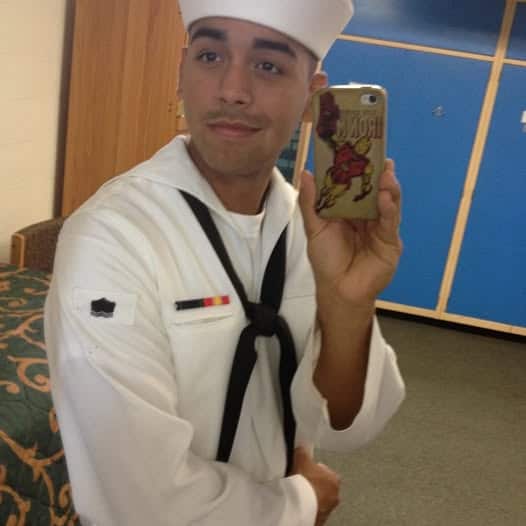
My biggest advice would be to make the most out of every situation and to not let other’s opinion affect your expectations or experiences. If you find yourself in a work situation that may be unfair or more difficult than others, just know that you can still take something away from that and build your character. Whether it’s a better understanding of your branch, a deeper appreciation of other’s jobs, or a stronger work ethic, all of this will help you better serve your branch, your country, and ultimately yourself.
On some more practical advice, I would say get used to being organized with your belongings before you enlist. They drill this into your head at bootcamp, but I promise if you can arrange your belongings in a manner where you know where everything is in an orderly fashion it will make life easier, especially when you are moving from duty station to duty station.
Definitely document and visit your doc for any sort of medical issue. Even if it’s just for backaches, headaches, knee pain, etc. Filling out your medical record while you are in will make claiming any VA disability a lot easier when separating or separated years later. On this topic, do not neglect your body’s or health. There is often a “keep it moving” mindset when it comes to physical pain you may experience during your time in the military. “If your arm isn’t falling off, you’re fine” type of thinking. But don’t fall into this. Remember, when you separate, it will help to have all of this documented for your VA disability.
Every Veteran’s experience is different, so don’t let others negative one’s affect yours. Your outlook and mindset matters. You can only grow and become more than what you are with a positive mindset. Be smart, think about your future, and avoid bad situations if possible. Although the people you serve with are your brothers and sisters, at the end of the day, they are still people who can make mistakes. So, find good colleagues and leaders to surround yourself with and you’ll be just fine.
Dallas Green
Airforce Senior Airman – 5 years

The military is definitely an experience. Do not let nerves stop you from taking opportunities; things change fast, and flexibility is key. Before you enlist, learn basic life skills like laundry and ironing. You’d be surprised how many people don’t. Know that you won’t see family and friends as much as you’d like, but don’t let that discourage you. You will make new friends and build your own little family along the way.
While you’re in, make the most of what’s offered. Use your Tuition Assistance and start thinking about your future early, as you never know what will happen. The military has its challenges, but make the most of it, and it will be a good time.
About the Author

Adrian Martinez is currently the Marketing and Communications Manager for Soldiers’ Angels. He served in the U.S. Navy for 4 years and graduated from The University of Texas at San Antonio in 2021.