The Silent Language of Coins on Military Graves
May 21, 2026
There is a silent language spoken in cemeteries across America.
It is not carried by voices or flags or even the wind through rows of white headstones.
It is spoken in metal.
In small, ordinary coins on military graves left gently on cold stone.
A penny.
A nickel.
A dime.
A quarter.
To most, they are nothing more than loose change. Forgotten in cup holders. Dropped into jars. Spent without thought.
But on a military grave, a coin is never just a coin.
It is a message.
A memory.
A tradition of honoring fallen heroes through coins left on military graves.
A promise that someone, somewhere, still remembers.
The First Time You Notice
If you have ever walked through a national cemetery, you may have seen them without fully understanding. A copper penny resting at the base of a headstone. A silver dime catching sunlight. A quarter placed with intention, not accident.
At first glance, it may seem random. Even curious.
But then you begin to notice something deeper. Some graves have only one coin. Others have many. Some are weathered, as if they have been there for years. Others look freshly placed and almost gleam, as though someone stood there just moments before you arrived.
And that is when the question begins to form.
Why coins?
A Tradition Born from Memory and War
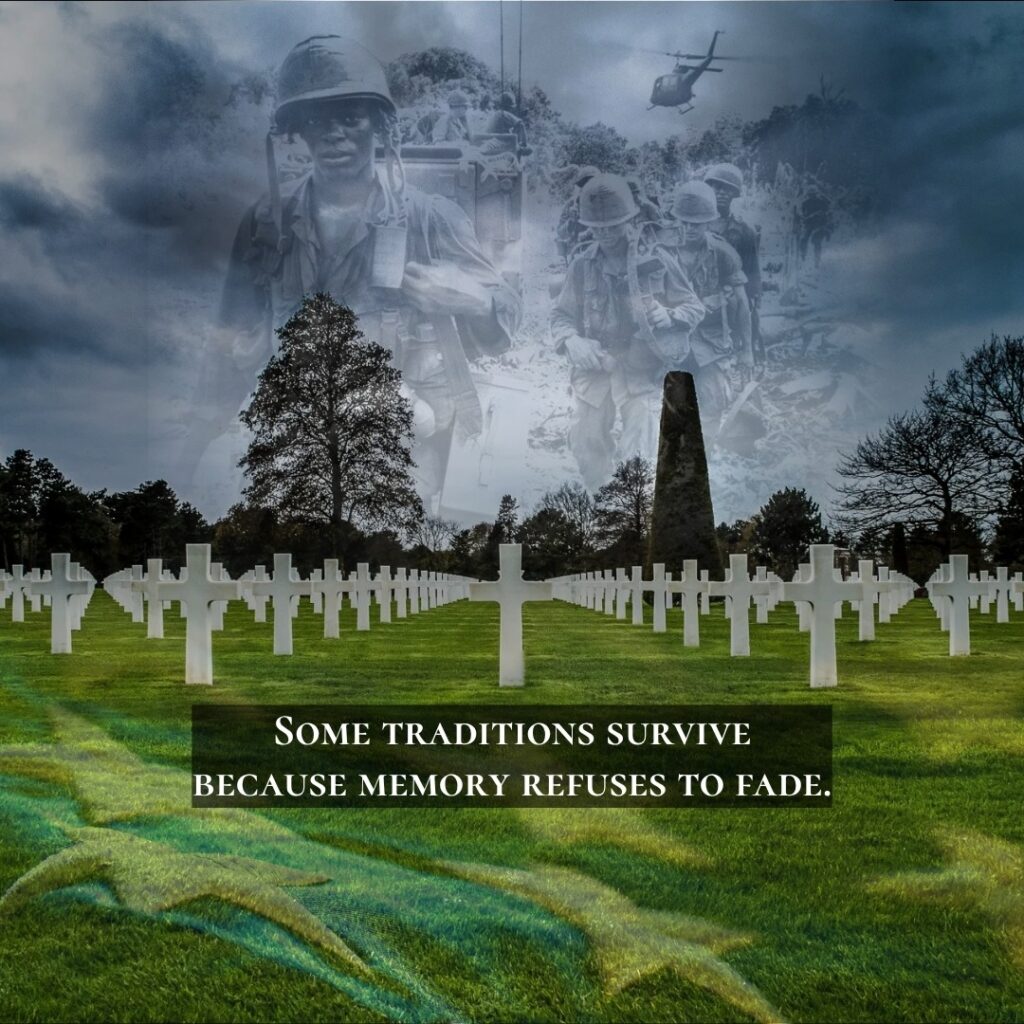
Military tradition traces the practice of leaving coins on graves back to the Vietnam War, and its roots extend even further into military culture. It became a quiet way for Veterans and Service Members to honor their fallen brothers and sisters without needing words.
In a time when emotions ran deep and divisions ran deeper, coins offered something simple and undeniable.
Proof.
Proof that someone had been there.
Proof that a life had not been forgotten.
Proof that bonds formed in uniform do not end with death.
Unlike flowers, which fade, or flags, which are often placed during formal ceremonies, a coin is personal. It is intentional, left by hand, not by protocol.
It says, “I came. I stood here. I remember you.”
The Meaning Behind Each Coin
Over time, specific meanings became associated with each denomination. While interpretations can vary, the most widely recognized symbolism carries a powerful weight.
A penny means you visited. It is the simplest gesture, but perhaps the most universal. It says that someone speaks a name carved in stone again, even if only in silence.
A nickel means you and the fallen Service Member trained together.
It speaks of early mornings, shared struggles, and the forging of discipline and identity.
A dime means you served together.
This coin carries the weight of shared missions, long deployments, and moments that only those who wore the uniform can truly understand.
A quarter means you were there when they died.
It is the heaviest coin of all. Not in metal, but in meaning. It represents presence in the final moments. A bond sealed in the most profound way.
Each coin tells a story without ever needing anyone to read it aloud.
More Than Tradition
To outsiders, this practice may seem symbolic. To those who understand it, it is deeply personal.
Because behind every coin is a person who made the trip.
Who stood before that headstone.
Who paused long enough to remember not just how someone died, but how they lived.
They remember the laughter between missions.
The jokes that made no sense to anyone else.
The quiet moments when the weight of service felt just a little lighter because someone else was there.
A coin does not just honor sacrifice.
It honors connection.
The Silent Conversation
There is something profound about the silence in which this tradition exists.
No speeches are given.
No announcements are made.
No one asks for recognition.
And yet, in that silence, a conversation unfolds.
A Veteran stands before the grave of a fallen friend. Maybe decades have passed. Maybe life has moved forward in ways they never expected. But in that moment, time collapses.
They reach into their pocket.
They place a coin.
And in that simple act, they say everything they could not say then.
“I made it home.”
“I still think about you.”
“You are not forgotten.”
The headstone does not answer.
But somehow, it does.
Why It Matters
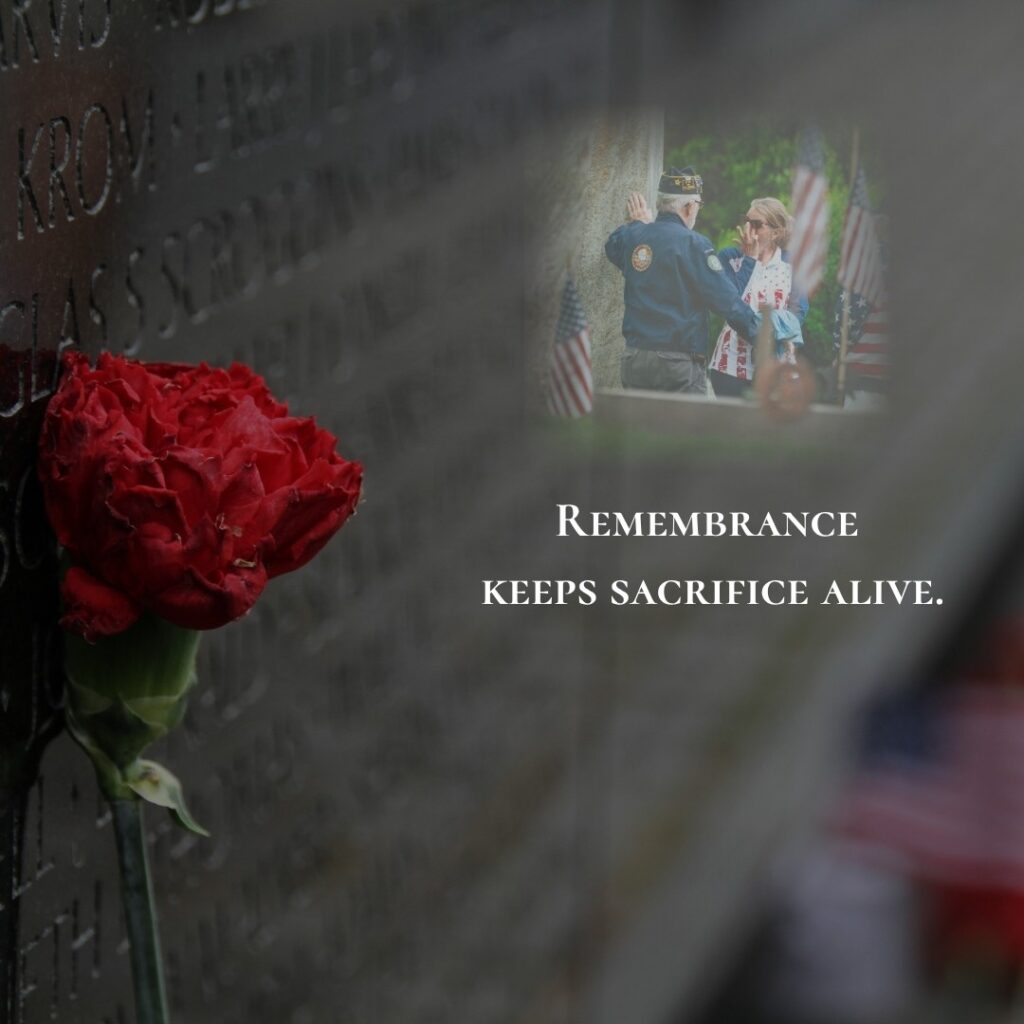
In a world that moves quickly, where headlines fade and history becomes distant, traditions like this ground us.
They remind us that service is not just a chapter in a history book.
It is made of real people. Real friendships. Real sacrifices.
Every name on a military grave represents a story that did not get to finish.
Coins help continue those stories.
They ensure that even in death, those who served remain part of something larger than themselves. A community. A brotherhood. A nation that still pauses, even briefly, to say thank you.
A Gesture Anyone Can Make
One of the most powerful aspects of this tradition is that it does not limit itself to those who served.
Anyone can participate.
You do not need to have worn the uniform.
You do not need to know the person whose name is etched in stone.
All you need is a moment.
And a coin.
When you place it on a grave, you are joining a legacy of remembrance. You are becoming part of a quiet network of people who refuse to let sacrifice fade into the background.
You are saying, in your own way, “Your service matters. Your life mattered.”
The Weight of a Small Thing
It is easy to overlook something as small as a coin.
But in the right place, at the right time, it becomes something far greater.
It becomes a bridge between the past and the present.
A connection between strangers bound by respect.
A symbol of a nation that, despite everything, still remembers.
Coins do not replace grief.
They do not erase loss.
But they offer something just as important.
Acknowledgment.
Carrying It Forward
The next time you find yourself near a military cemetery, pause.
Walk among the rows. Read the names. Notice the dates. Some lived long lives. Others did not have the chance.
And if you have a coin in your pocket, consider what it represents.
Not its value in currency.
But its value in meaning.
Place it gently.
Take a moment.
And understand that in that simple act, you are participating in something deeply American. Something rooted in respect, sacrifice, and memory.
A Legacy That Lives On
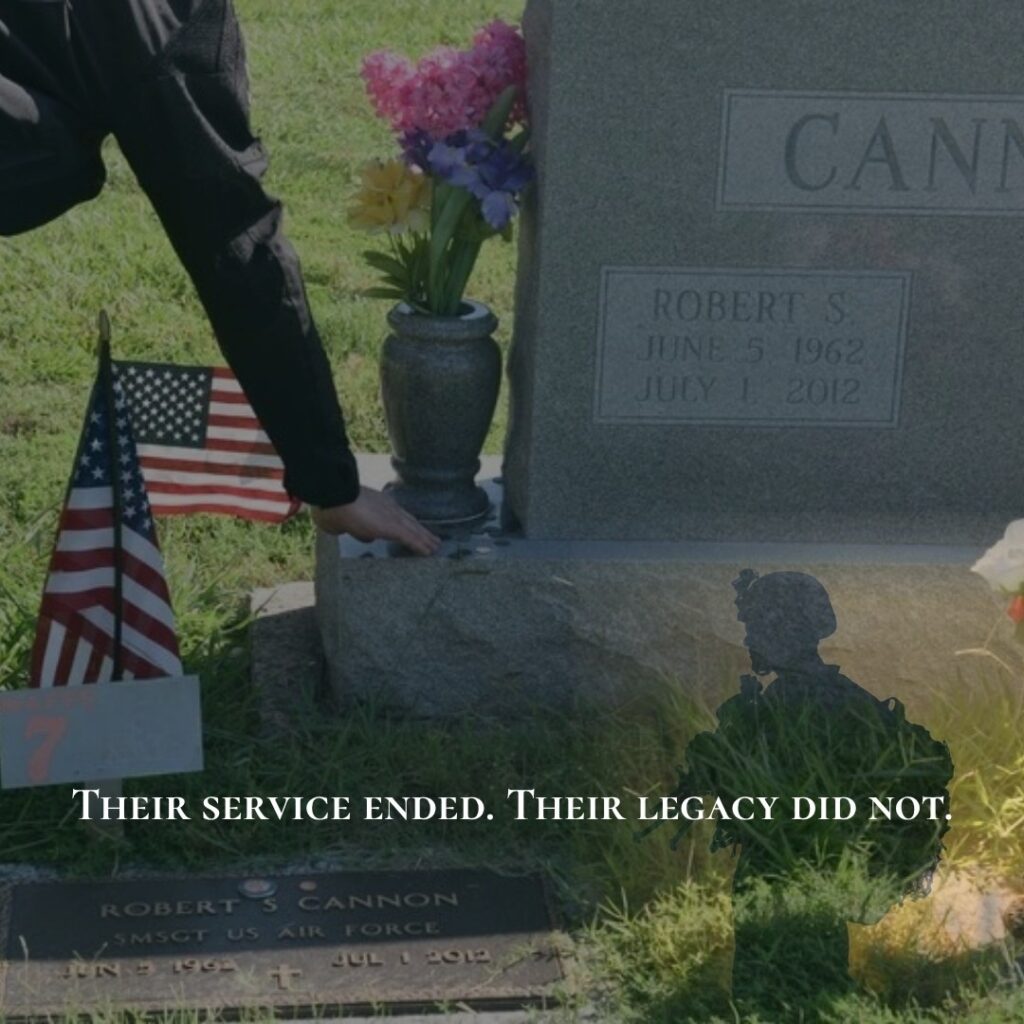
Coins on military graves are not about tradition alone.
They are about continuity.
They ensure that even as generations pass, the connection between those who served and those who remember remains unbroken.
Because remembrance is not a one-time act.
It is a responsibility.
A coin may seem small.
But its message is not.
It says that honor does not fade.
That sacrifice is not forgotten.
That even in silence, gratitude can speak louder than words ever could.
Final Reflection
Long after ceremonies end and flags are folded away, the coins remain.
Quiet. Steady. Unmoving.
And yet, they speak.
They tell every passerby that someone cared enough to stop. To remember. To leave behind a piece of themselves in the form of something so simple, yet so powerful.
In the end, that is what this tradition is truly about.
Not money.
Not ritual.
Not even history alone.
It is about people.
About the bonds we form.
The sacrifices we honor.
And the promise we make to never forget those who gave everything.
So the next time you see a coin resting on a military grave, do not pass it by without a thought.
Because that coin is not lost.
It was left there on purpose.
And it is still speaking.
About the Author

Mike Isaac-Jimenez is a 25-year U.S. Air Force Veteran based in San Antonio, TX. He currently serves as a Marketing and Communications Contractor with Soldiers’ Angels, where he shares his passion for storytelling with his dedication to honoring military service. Mike holds a B.S. in Technical Management (Project Management) from Embry-Riddle Aeronautical University, along with A.A.S. degrees in Mechanical & Electrical Technology and Mechanical Engineering. He writes to preserve the legacies of America’s heroes and honor those who served and are still serving.