Military Challenge Coins: From Origins to Modern-Day Traditions
January 27, 2026
Challenge coins are iconic within the U.S. Armed Forces, but their story stretches far beyond today’s military. These small medallions have evolved for centuries, carrying forward a long legacy of identity, loyalty, and recognition. What began as ancient rewards has grown into one of the most meaningful traditions shared by Service Members in every branch, including the most elite special operations units.
The Long History of Challenge Coins
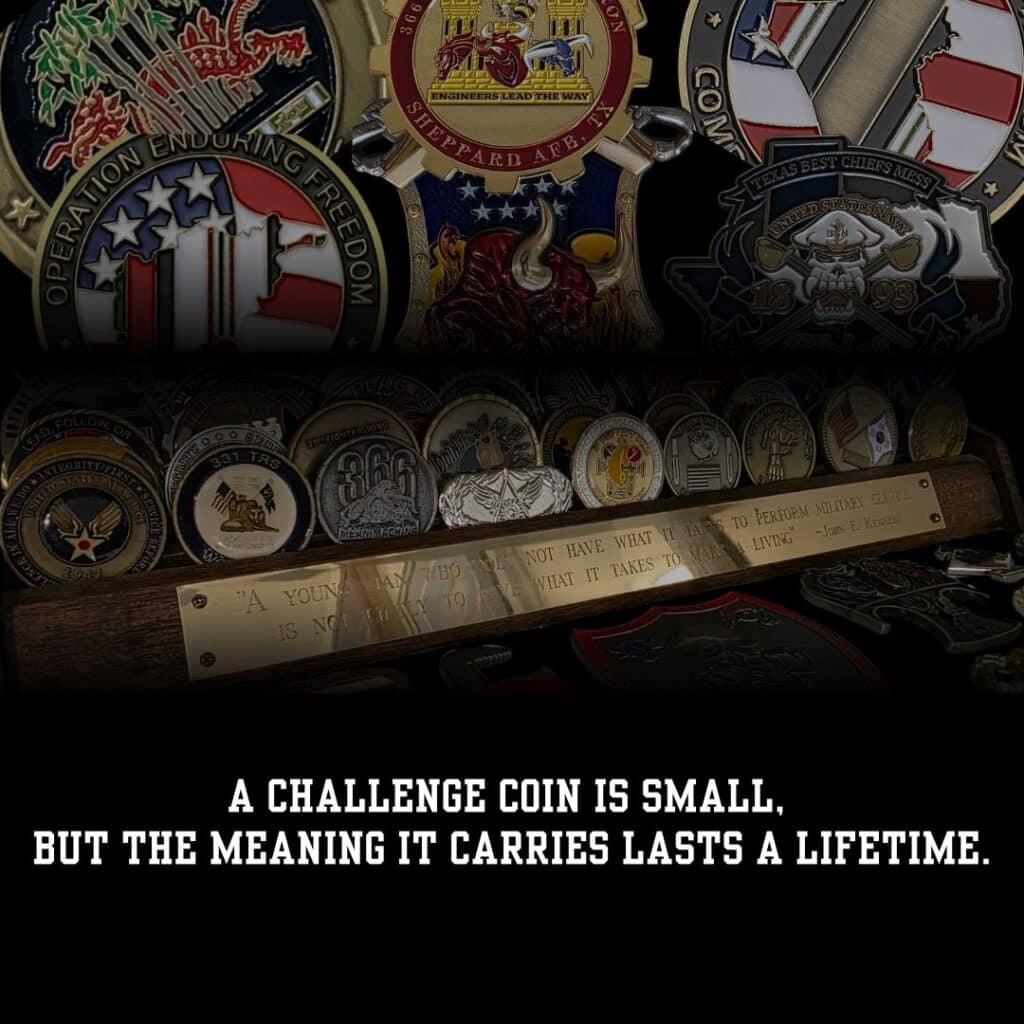
The concept of awarding a coin to mark achievement or belonging is far older than the American military. It spans civilizations, conflicts, and eras of honor-based traditions that shaped what challenge coins represent today.
Ancient Foundations in Rome
The earliest roots of challenge coins can be traced to the Roman Empire. Soldiers who performed exceptionally in battle were sometimes rewarded with special coins featuring the emblem of their legion. Unlike normal pay, these coins were meant to be kept as personal tokens of valor. They symbolized identity, loyalty to a unit, and the pride that came from service, all ideas that remain central to modern challenge coins.
Tokens of Loyalty in Europe
During the Renaissance, rulers commissioned portrait medals to commemorate significant events or reward faithful service. These medals were often carried or displayed, symbolizing connection and recognition very similar to the role challenge coins play today.
In the seventeenth century, French Protestants created communion coins that believers used to identify themselves to one another during periods of persecution. This use of a coin to prove identity and membership echoes the later military tradition of carrying a coin to show one’s connection to a specific unit.
The Modern Coin Emerges in World War I
We most commonly trace the challenge coin, as we recognize it today, to a story from World War I. A wealthy American lieutenant ordered bronze medallions for his squadron to build morale. One of his pilots carried the medallion in a small pouch around his neck. Enemy forces shot down and captured the pilot, stripping him of all identification, but he eventually escaped and reached French forces. With no documents to prove who he was, the pilot presented his medallion bearing the squadron’s emblem. The coin saved his life and the tradition of carrying one as a symbol of identity and protection began to take shape.
How Challenge Coins Became a Military Tradition
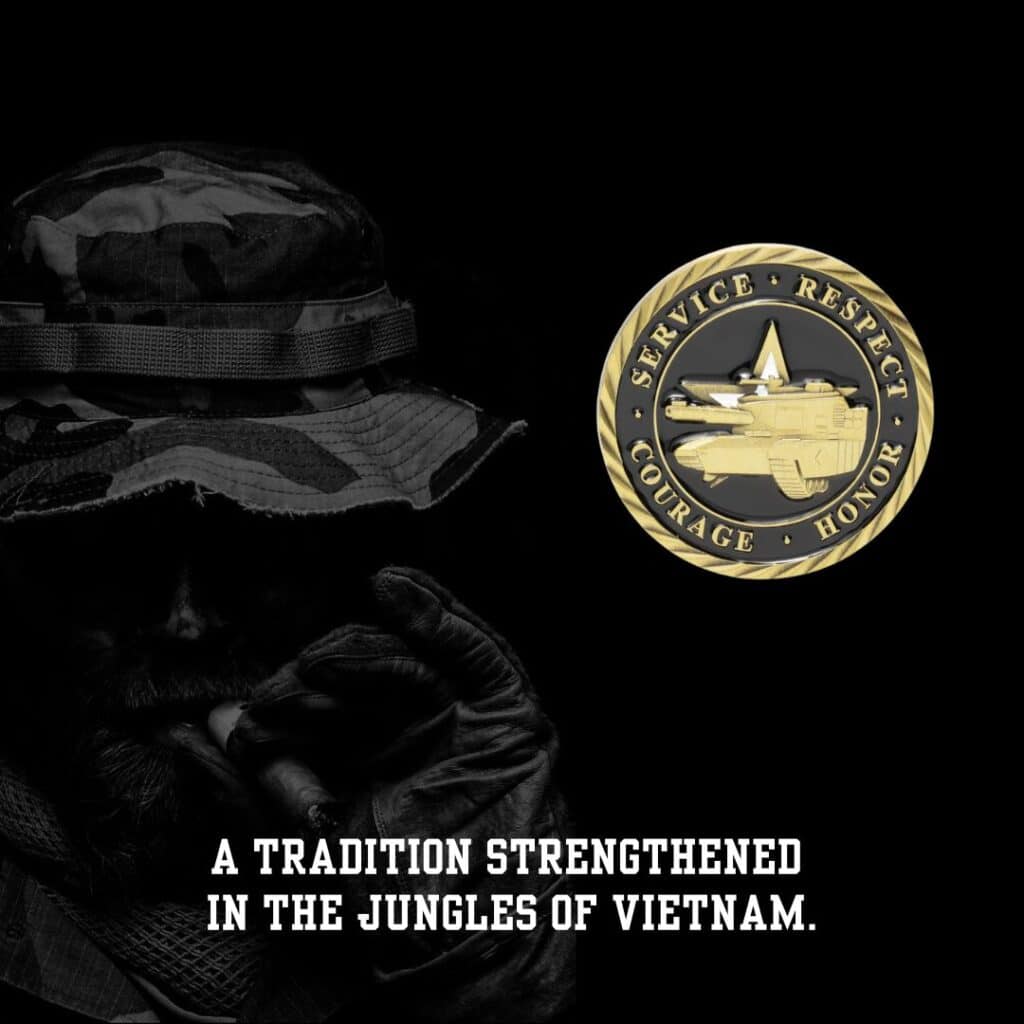
After World War I, the practice of creating and carrying challenge coins slowly spread. During the Vietnam War, the tradition accelerated, especially among Special Forces units. Coins became markers of elite missions, unit identity, and camaraderie. The now well-known “challenge” ritual, where Service Members must present their coin when prompted or face buying the next round of drinks, gained popularity during this time. The practice reinforced unity, readiness, and accountability.
As the U.S. military expanded its roles through the Cold War and into the twenty first century, challenge coins became common across every branch. They moved from a niche tradition to a military-wide symbol of honor, service, and achievement.
Challenge Coin Traditions in Each Branch
Today, every branch of the U.S. military carries its own unique coin culture, though all share the same spirit of recognition and belonging.
United States Army
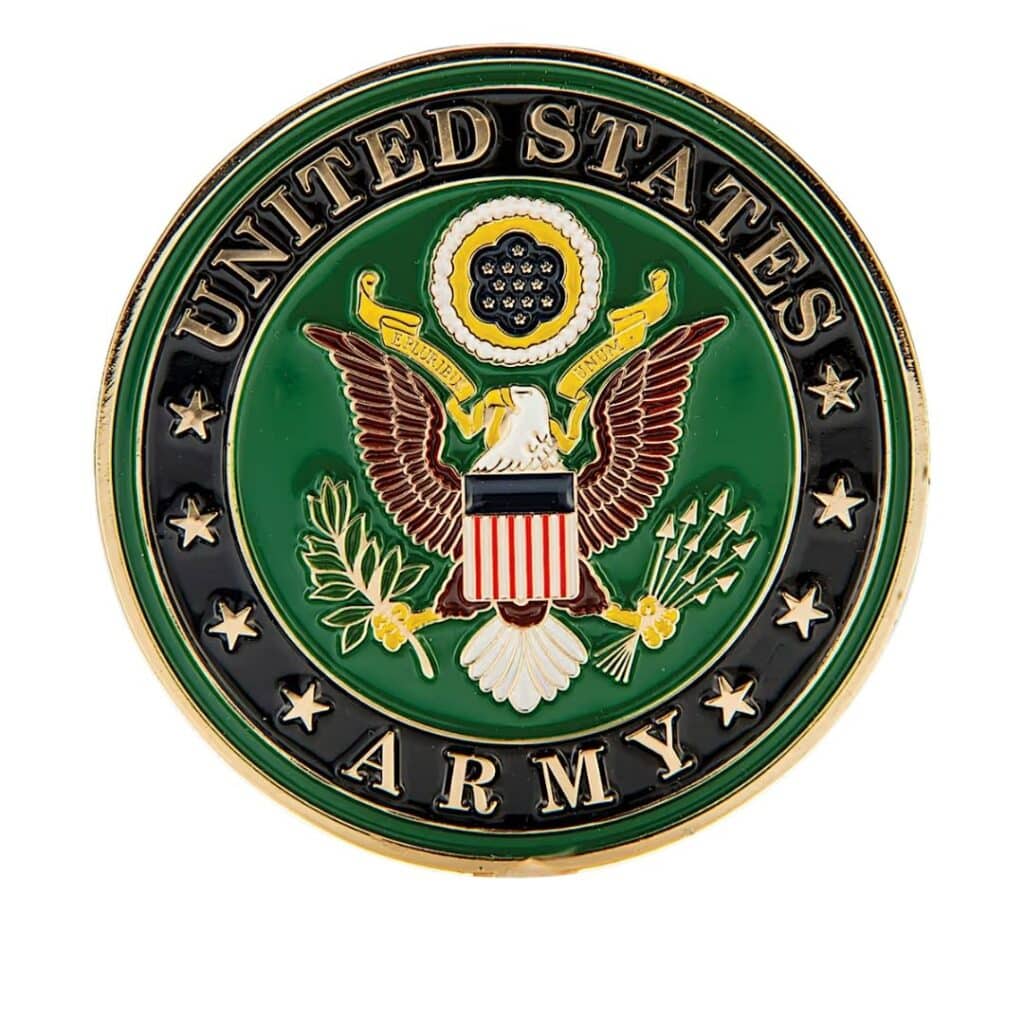
The Army uses challenge coins to honor service in specific units, deployments, or missions. Coins marking completion of demanding schools such as Airborne, Ranger, or Special Forces training are highly valued. Elite units like the 75th Ranger Regiment and the Green Berets design coins with symbols known only to members, turning them into badges of identity and pride.
United States Navy
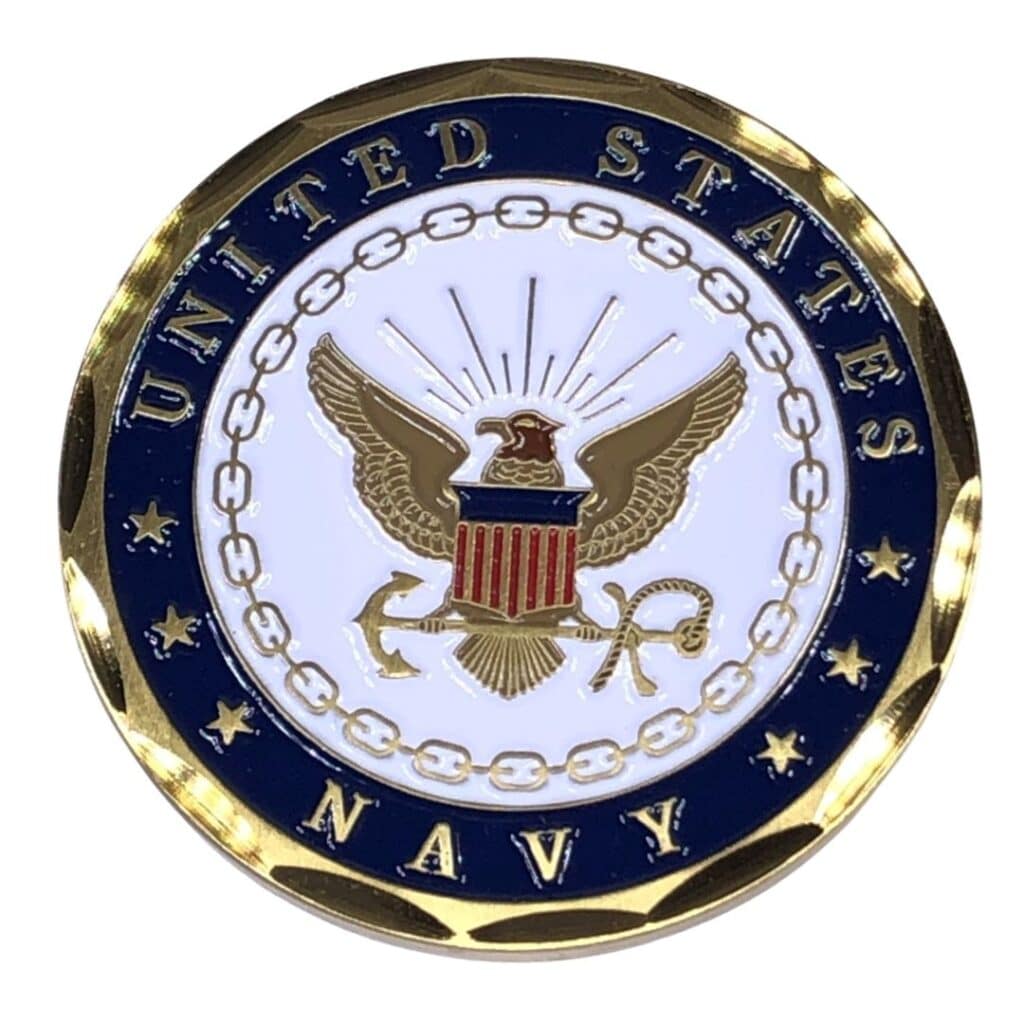
Navy challenge coins often represent ships, squadrons, deployments, or major operations. Submarine crews, known for their exceptionally close-knit teams, consider their coins a symbol of trust and shared hardship during long undersea patrols. Commanders frequently award coins to sailors who demonstrate outstanding performance or resilience.
United States Air Force
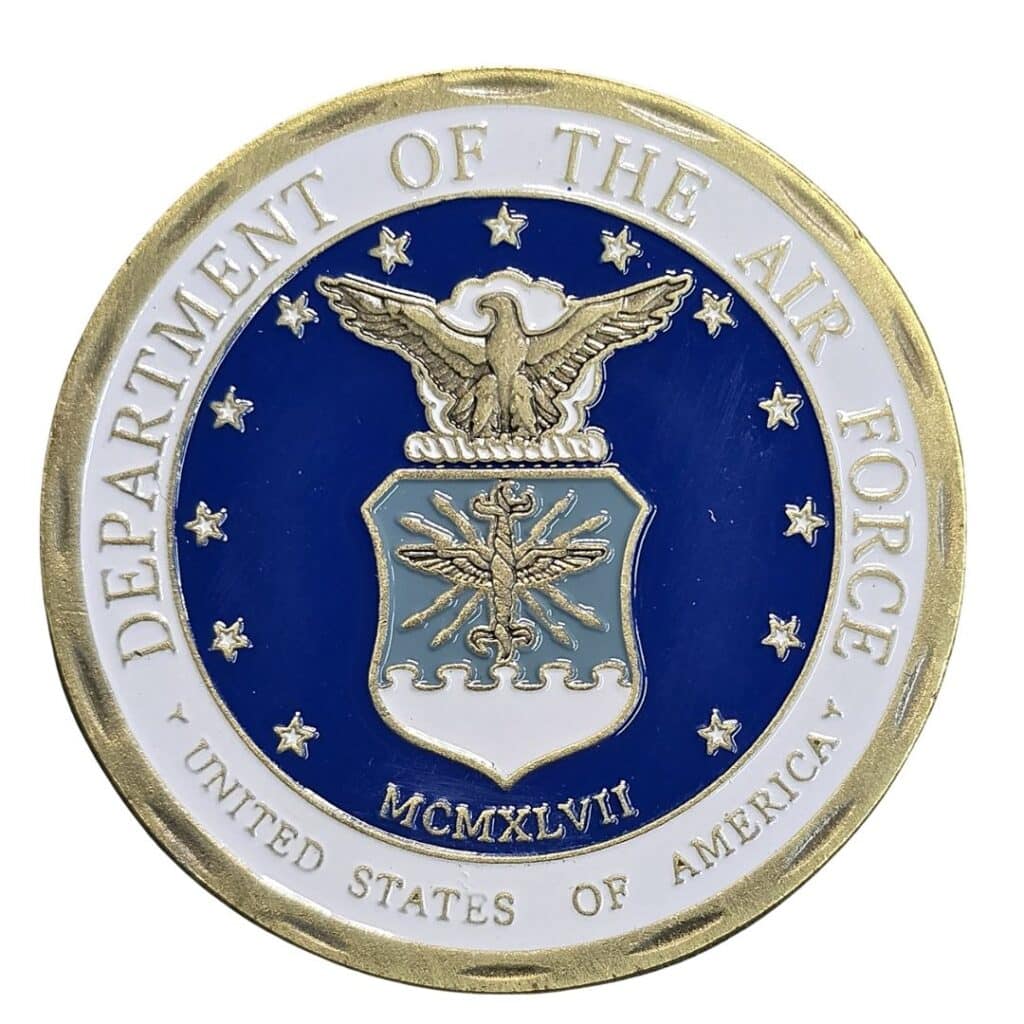
The Air Force embraces challenge coins as a way to recognize excellence, innovation, and mission success. Airmen often receive coins during training milestones or from leadership visits. Air Force Special Operations teams, including Pararescue and Combat Control, maintain distinctive coins that reflect their elite status and high-risk responsibilities.
United States Marine Corps
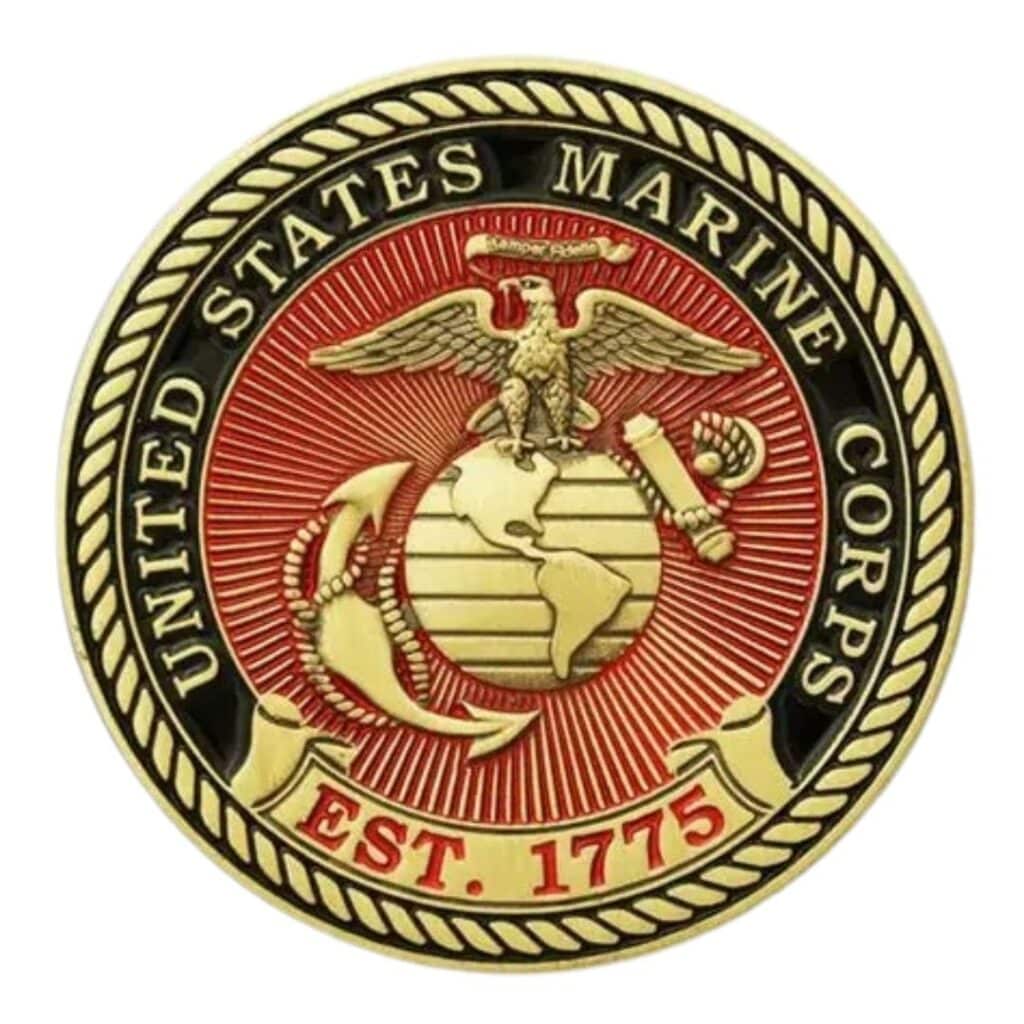
For Marines, the challenge coin reflects their deep heritage of brotherhood and honor. Coins mark deployments, unit membership, combat service, and acts of exemplary performance. Many Marines keep their coins prominently displayed as a timeline of their journey through the Corps.
United States Coast Guard
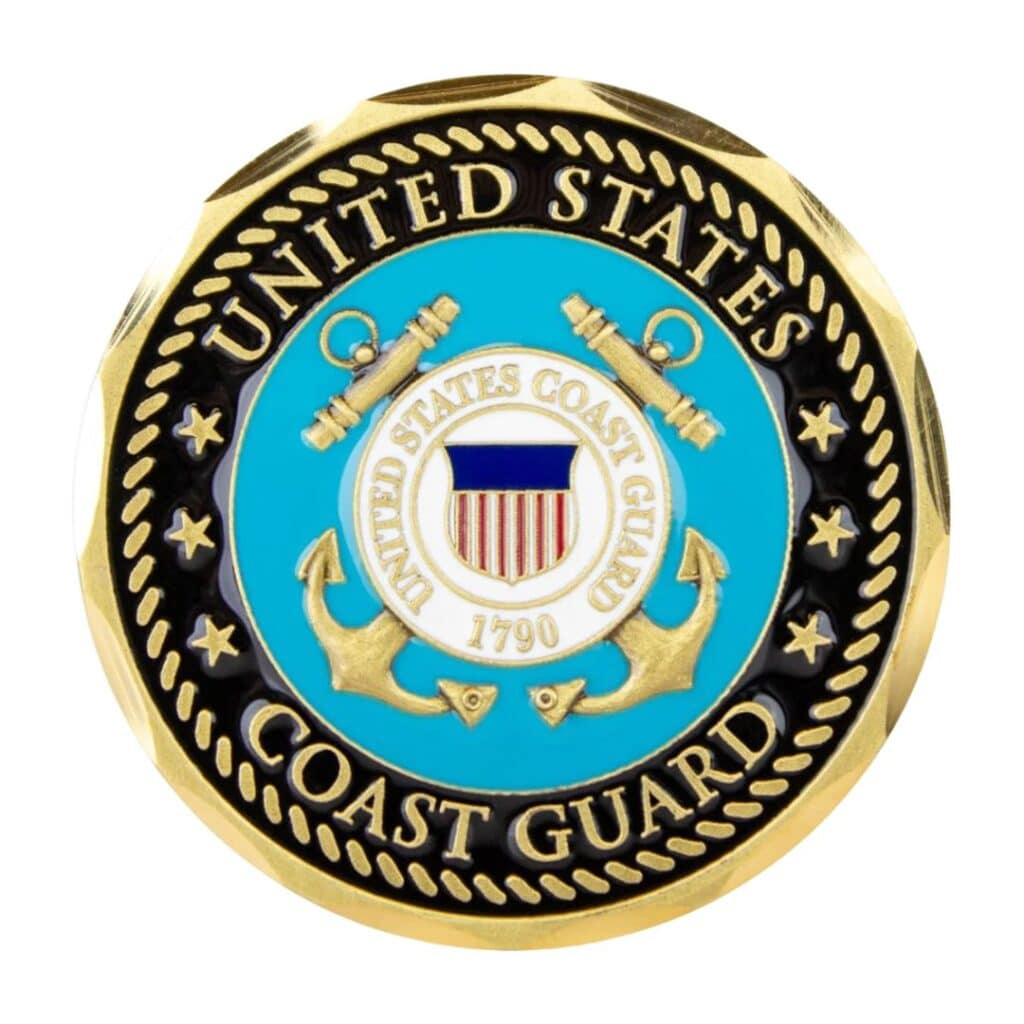
The Coast Guard uses challenge coins to commemorate lifesaving missions, maritime security operations, disaster response, and cooperative missions with other branches or federal agencies. These coins honor courage, professionalism, and service during dangerous and often unpredictable situations.
Special Operations and Their Most Exclusive Coins
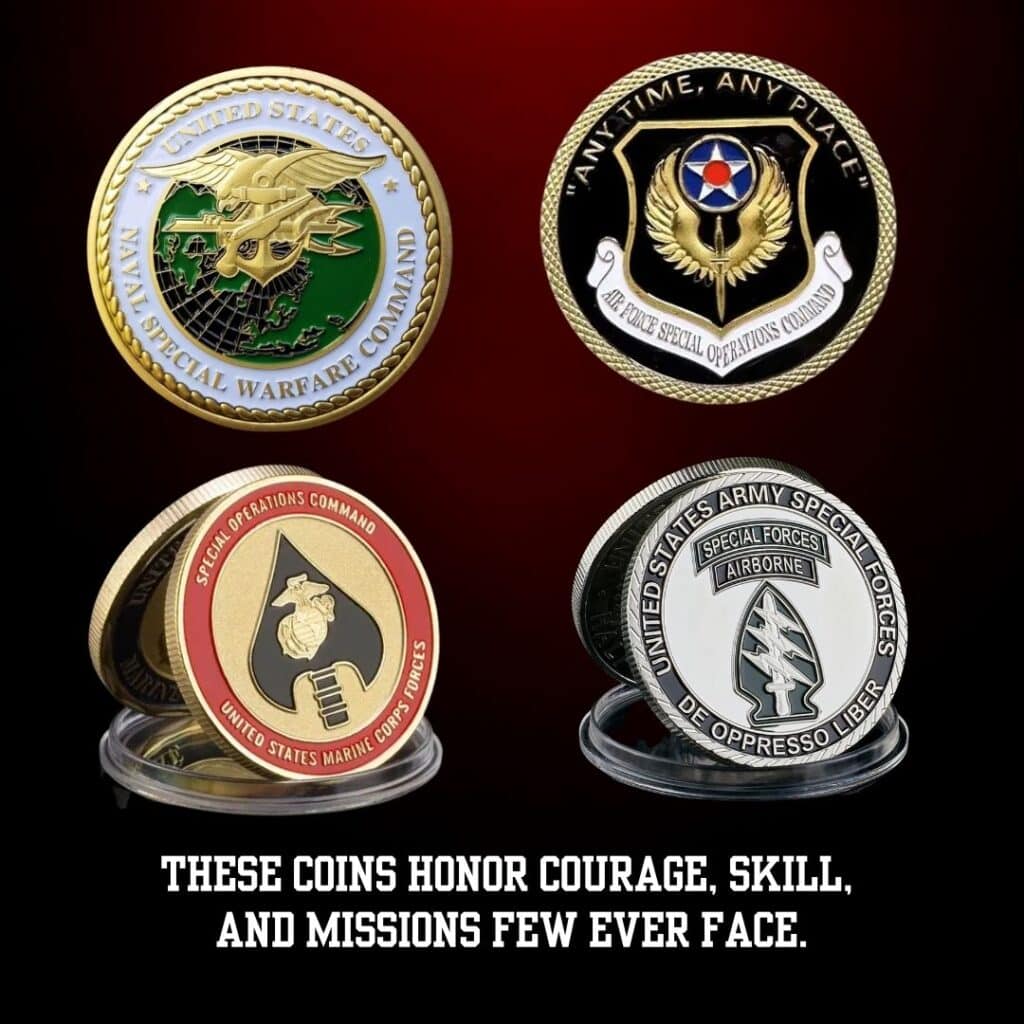
Challenge coins hold extraordinary meaning within special operations forces. Navy SEALs, Army Rangers, Delta Force operators, Marine Raiders, and Air Force Special Tactics teams often design coins that are restricted to team members or specific missions. Some coins are created only for those who completed a particular operation or endured a certain hardship. These coins become lifelong reminders of sacrifice, elite training, and the bonds forged under extreme pressure.
The Meaning of Challenge Coins Today
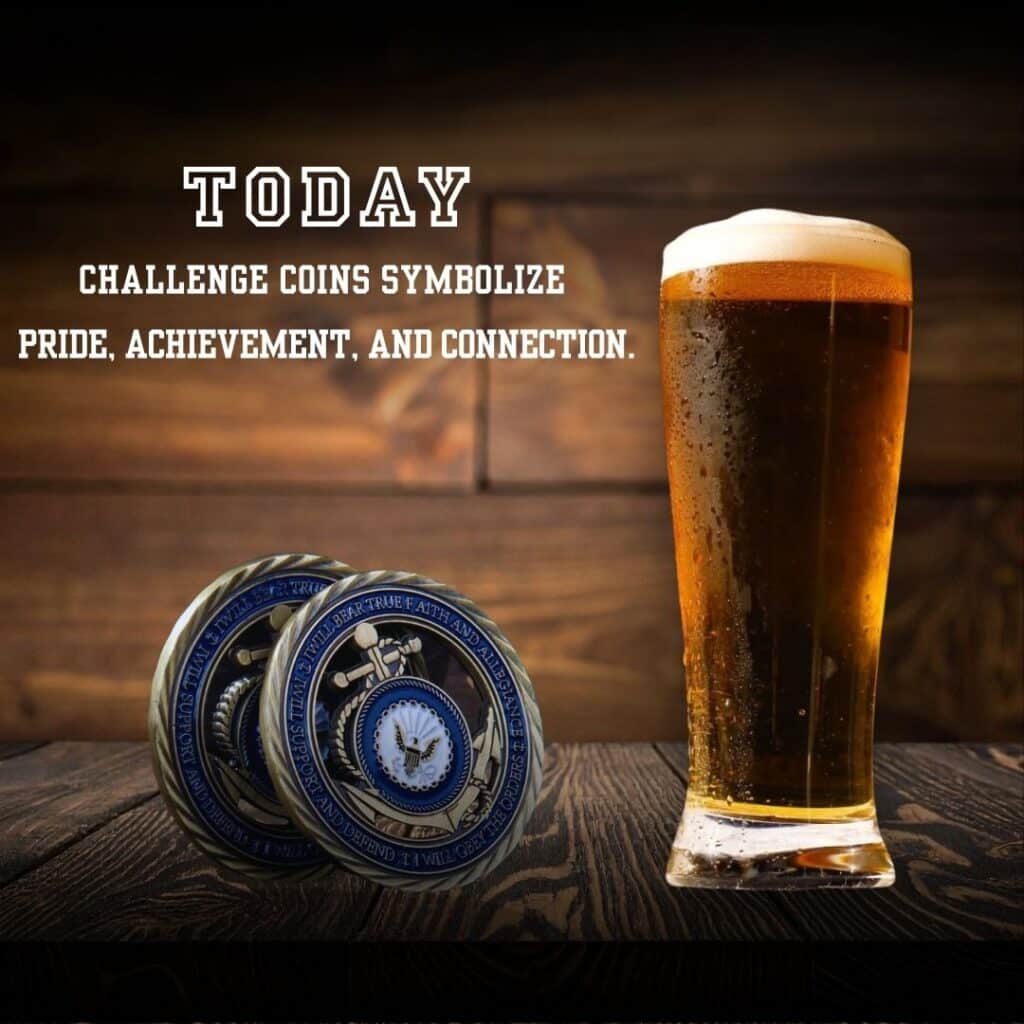
Even as their history stretches back centuries, challenge coins have never lost their original purpose. They continue to symbolize pride, identity, and achievement. Service Members exchange them through handshakes, display them in shadow boxes, carry them on deployments, and use them to commemorate milestones in their careers.
Many veterans proudly collect the coins they earned, each one representing a story. A deployment survived. A mission completed. A friendship formed. A moment of recognition that still matters years later.
Challenge coins have also expanded beyond the military. Law enforcement agencies, fire departments, federal teams, and even humanitarian organizations use them to honor dedication and service.
The Legacy Lives On
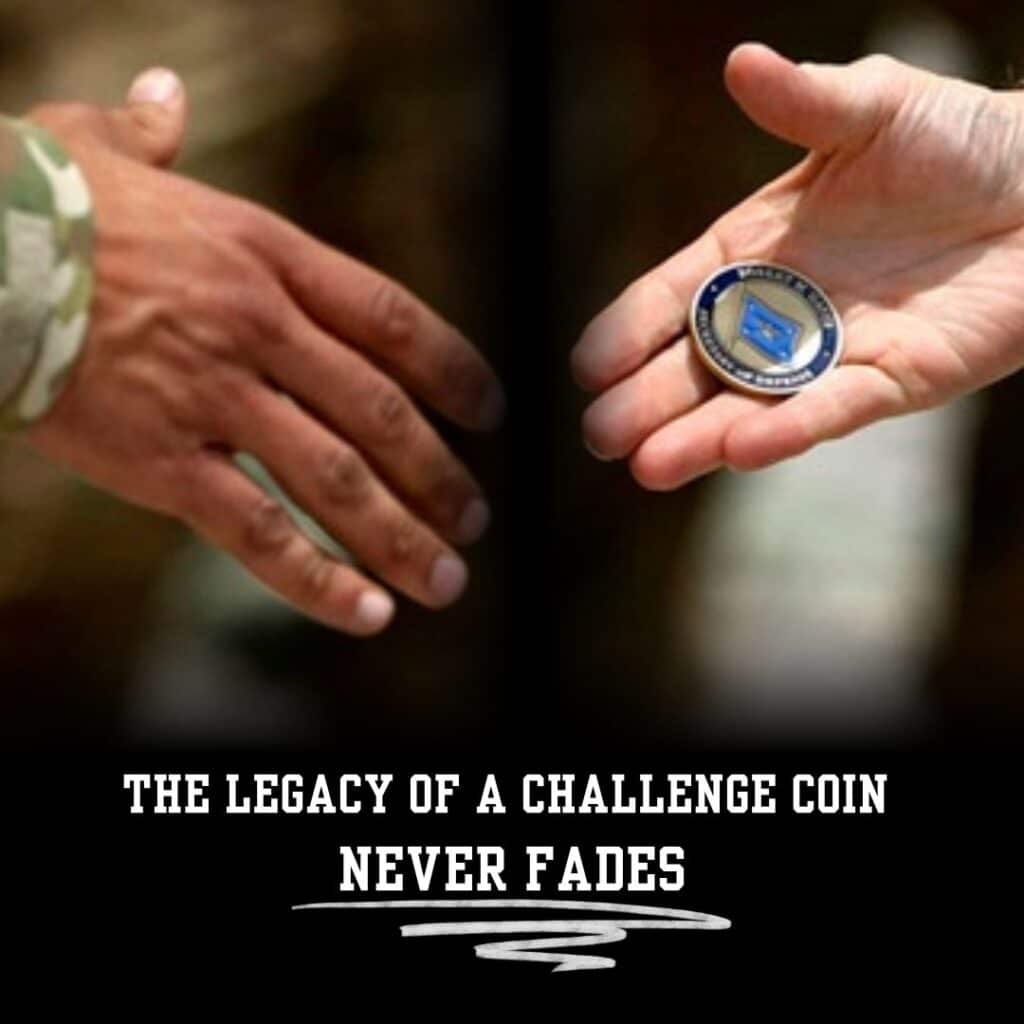
From the legionary coins of ancient Rome to the mission-specific tokens carried by today’s elite warriors, challenge coins have always symbolized loyalty, brotherhood, achievement, and identity. They are reminders of where Service Members have been, what they have endured, and the people who stood beside them through every mile, mission, and moment of sacrifice.
The tradition continues today in units across the world, passed from hand to hand in quiet recognition or proudly displayed as a testament to service. A challenge coin is small in size, but the meaning it carries can last a lifetime. The legacy of these coins endures because the values they represent, courage, commitment, and honor, are timeless.
Watch Veterans Share Their Pride
If you’d like to watch Soldiers’ Angels veterans share their pride and stories behind their challenge coins, you can find the links to those videos below:
Asking our Veteran Staff about their favorite challenge coin Pt.1
Part 2 of asking our #Veteran staff to share their favorite challenge coins. 🪙
About The Author

Mike Isaac-Jimenez is a 25-year U.S. Air Force Veteran based in San Antonio, TX. He currently serves as a Marketing and Communications Veteran intern with Soldiers’ Angels, where he shares his passion for storytelling with his dedication to honoring military service. Mike holds a B.S. in Technical Management (Project Management) from Embry-Riddle Aeronautical University, along with A.A.S. degrees in Mechanical & Electrical Technology and Mechanical Engineering. He writes to preserve the legacies of America’s heroes and honor those who served and are still serving.