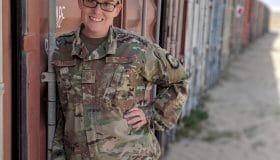
The Hidden Challenges Military Children Carry
April 9, 2026
When people think about Military families, they often think about Service Members—their sacrifice, their discipline, their commitment to something larger than themselves. What is less visible, but no less significant, are the lives shaped alongside that service.
Military children grow up in a world defined by movement, uncertainty, and adaptation. Their childhoods are marked not by a single hometown or a steady circle of friends, but by constant transition. They learn early how to say goodbye, how to start over, and how to carry both excitement and loss at the same time.
A Childhood Defined by Movement
For Nancy Marshall, Administrative Assistant at Soldiers’ Angels, that rhythm of change was simply a part of life.
“We moved a lot, but I got to experience a lot of different cities and cultures. I learned that the Military is a family, that everyone looked out for everyone, since we lived on Military bases, or in communities directly next to the base.”
There is a duality in that experience. On one hand, there is exposure to new places, new people, and new ways of seeing the world. Nancy recalls living in Germany as one of the most formative parts of her childhood.
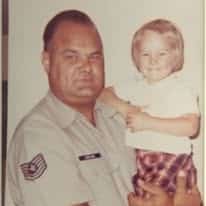
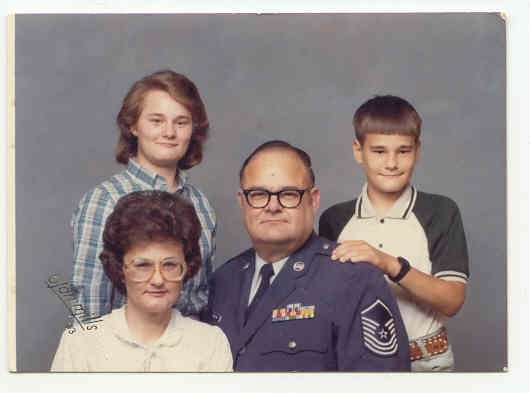
“I really enjoyed living in Germany. We were able to do some traveling and went to France, Austria, and all over Germany. I got to see different cultures up close.”
These are opportunities many children never have. A global perspective is not something Military children learn in a classroom, it is something they live. But even these moments of discovery exist within the structure and limitations of Military life.
“My father was a part of the IG team while in Germany, so we couldn’t travel unless he was with us. He was concerned about a single woman with two children traveling without someone to watch over them, but what we did see provided a level of education and social interaction that a lot of people miss out on.”
That balance between opportunity and restriction, adventure and structure is a defining part of growing up in a Military family.
The Weight of Starting Over
But beneath those experiences is something more difficult to navigate: connection.
“We moved six times, and each time was difficult,” Nancy said. “If I were lucky to have found a friend, I would have to leave and start over.”
For a child, friendship is foundational. And for Military children, those foundations are often temporary. Each move requires rebuilding not just relationships, but confidence.
“Being shy, making friends was extremely hard and I always felt like an outsider.”
That feeling of being on the outside can follow Military children into classrooms as well. Differences in academic systems can set them apart just as much as their life experiences.
“We went to schools on Military bases, which had a higher level of curriculum. So when we moved to San Antonio and started going to a civilian school, we had to be placed in advanced placement classes just to keep from being bored—which led to being treated as an outsider.”
The challenge is not just adjusting—it is adjusting while being seen as different.
When Childhood Is Interrupted
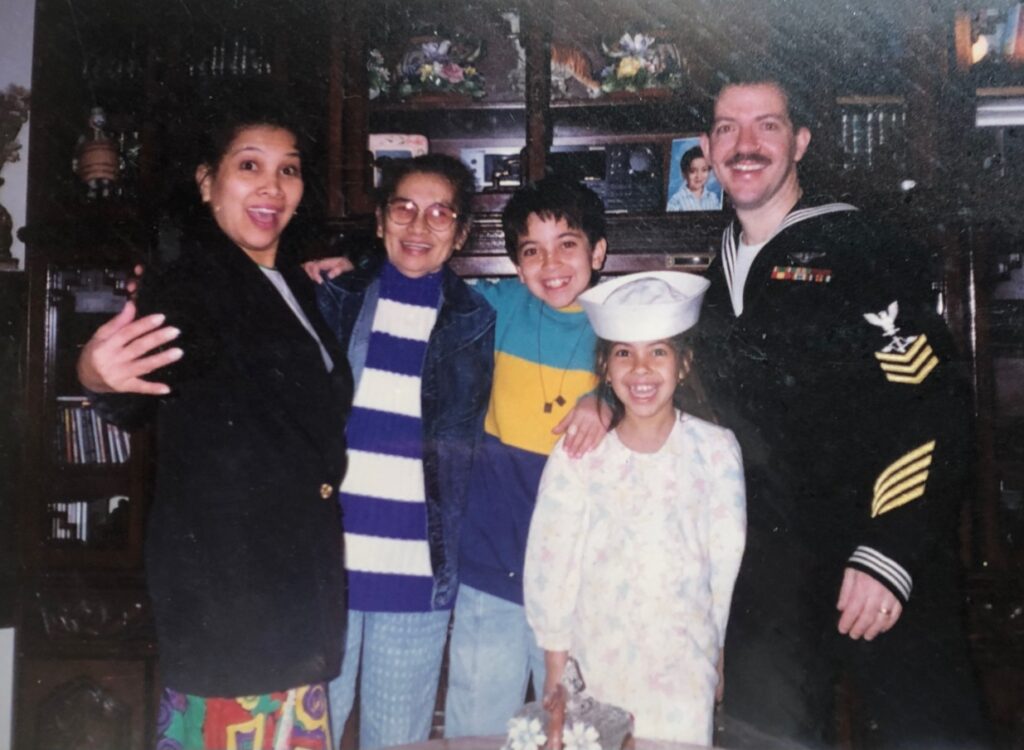
Not all Military childhood experiences look the same. For AJ Simoneaux, Program Manager at Soldiers’ Angels, the defining moments of his childhood were shaped not only by movement, but by events that demanded immediate resilience. His story begins in the Philippines, where he was born while his father served in the Navy.
“My father, AZ1 Ramon Simoneaux, retired from the US Navy after 20 years of service while I was in middle school. I was born at ‘Jungle General’ aboard Naval Air Station Subic Bay in Olongapo, Philippines. He later was stationed at Naval Air Station Pensacola in Florida before being transferred back to the Philippines shortly after my sister was born.
While there, we all had to evacuate after Mt. Pinatubo erupted in 1991. I was at my 3rd grade field trip on the beach when we all saw a big plume of smoke as the volcano erupted before our eyes. We were corralled onto a bus and taken back to school. Later that evening, the Marines came to our house after ash began to fall and told us to pack up our belongings. Operation Fiery Vigil would evacuate all civilian personnel stationed in the Philippines, and we eventually were taken by naval destroyer to Guam—where we later boarded a C-130 and airlifted back to McChord Air Force Base in Washington.
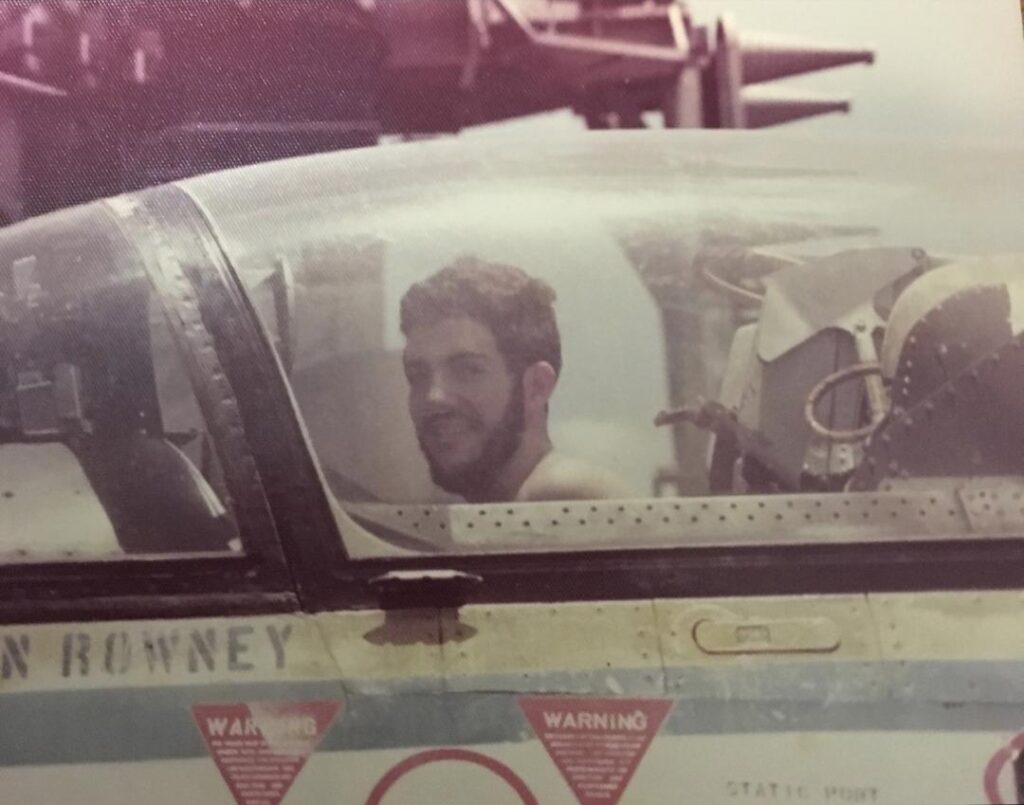
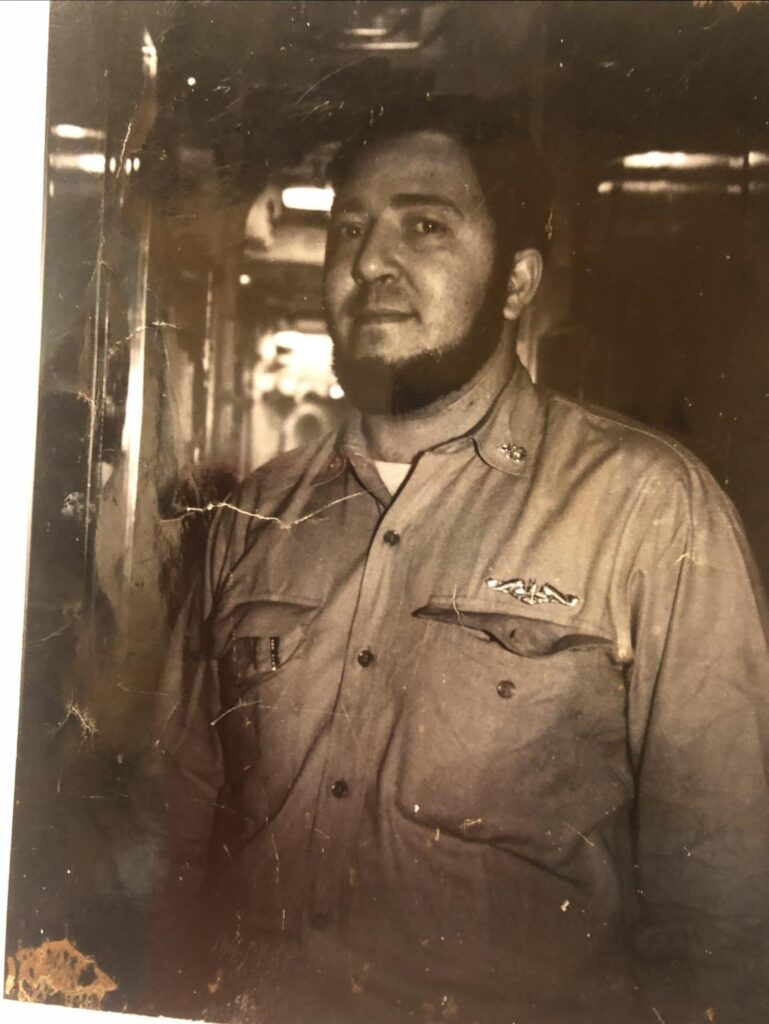
My father would eventually be stationed at Naval Air Station Whidbey Island in Washington, which was a huge culture shock and way different than the tropical climate we had left. I spent each year, from 4th to 8th grade, at a different school while in Washington—and later Florida—where he decided to move our family after his retirement. Being the new kid in school each year for the 6 years before high school was a challenge that allowed for me to meet so many different people, make new friends, and helped shape me as a person. I considered myself very lucky for being able to travel the country with my family.”
Stories like AJ’s highlight something that is often difficult to fully capture—the unpredictability of Military life. One moment, childhood looks like a field trip on the beach. The next, it becomes evacuation orders, packed bags, and an entirely new destination.
Between Two Worlds
Even outside of extraordinary events, the rhythm of relocation continues.
“Every three years my father would have a permanent change of station. For me, it seemed normal,” AJ said. “When I would meet civilian kids whose parents were not in the Military, hearing about their experiences of staying put in one location sounded odd to me.”
What feels disruptive to some becomes routine to others. But routine does not mean easy.
“Finding my niche” was one of the hardest parts, AJ shared. Adjusting not just to new schools, but to new environments, climates, and communities required constant recalibration. And yet, within that experience, there is connection in ways that last far beyond a single place.
“I had a friend from school in the Philippines whose dad got stationed in Pensacola, Florida while my dad went to Washington. In 6th grade, we got to reunite and it was like we never missed a beat.”
Military communities, while constantly shifting, are deeply interconnected. They reflect a level of diversity that many children do not encounter elsewhere.
“At birthday parties, you could have Filipino spaghetti next to hot dogs and hamburgers next to Korean barbecue.”
It is a childhood shaped by both movement and meaning—by challenge and by connection.
Standing With Military Families
At Soldiers’ Angels, that support extends to the entire family, including children, through programs like Adopt-A-Family. During the holiday season, this program connects Military and Veteran families in need with donors who provide gifts, groceries, and essential support. For Military children, it means more than just presents—it means a sense of normalcy, joy, and the reassurance that they are not navigating these challenges alone.
Because behind every Service Member is a family making sacrifices of their own. And behind every Military child is a story of change, of resilience, and of growing up in a world that asks more of them than most will ever see.
About the Author

Ashley Ray has been a member of the Soldiers’ Angels communications team since 2013. She supports blog writing and social media and loves telling stories of Angel volunteers, Service Members, and Veterans.