Bataan Death March: The Trail of Courage That America Must Never Forget
April 6, 2026
No matter how long the night, the dawn will break. No matter how dark the road, the brave will walk it.
The Bataan Death March is not merely a chapter in the history of World War II. It is a story carved into the soul of freedom itself—written in suffering, sacrifice, and unbreakable will. American and Filipino soldiers endured unimaginable hardship with courage and resilience, refusing to be defined by even the darkest moments.
It is a story of pain beyond imagination and courage beyond measure—one that every generation must carry forward. Because the men who walked that road did not just endure history, they became it.
Prelude to Tragedy: The Fall of Bataan
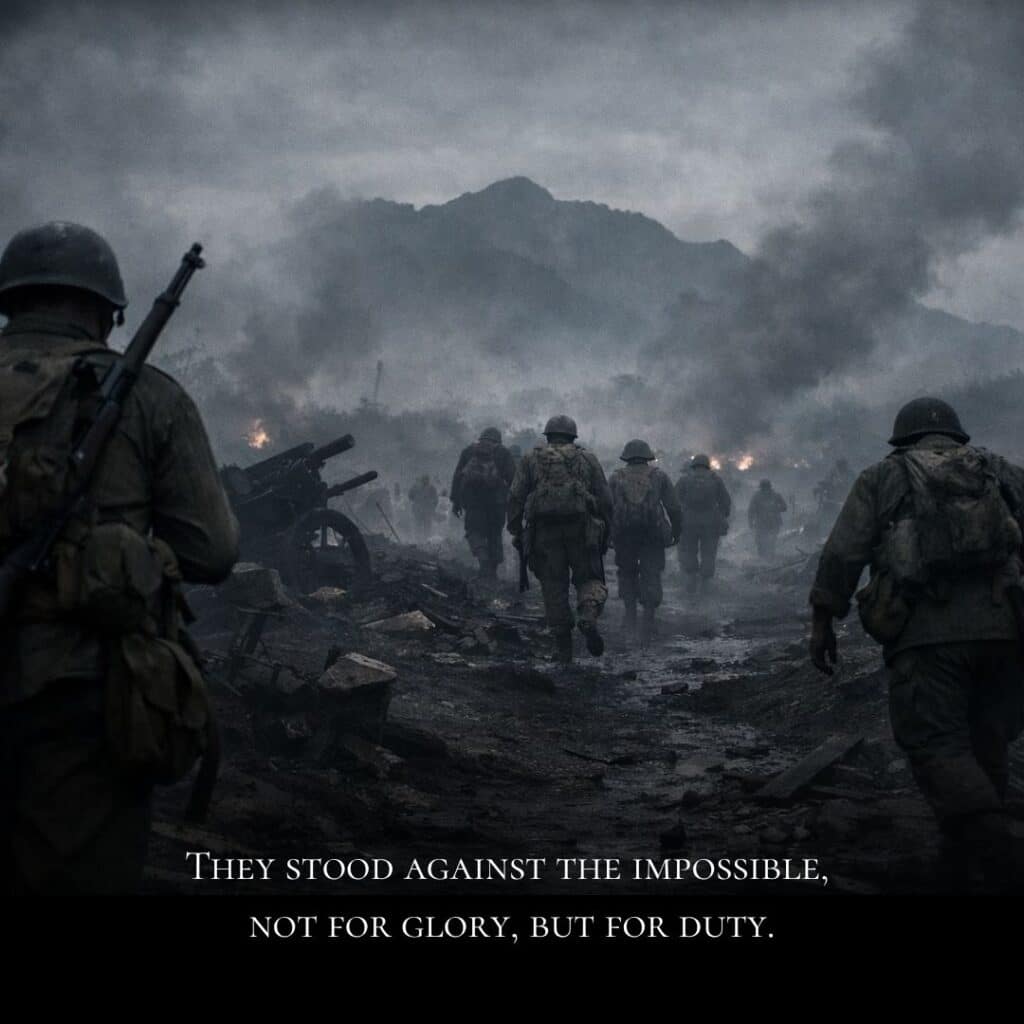
In early 1942, as World War II spread across the globe, the Philippines became a critical battleground in the Pacific. Following the attack on Pearl Harbor, Japanese forces launched a swift and devastating campaign across Southeast Asia. This offensive placed the Philippines directly in their path, threatening both American and Filipino forces with overwhelming force. American and Filipino troops withdrew to the Bataan Peninsula under Douglas MacArthur, making a stand that became a courageous defense.
For ninety-nine days, these soldiers held the line against overwhelming odds. They fought with dwindling ammunition, survived on shrinking food rations, and battled disease that spread rapidly through exhausted ranks. Malaria, dysentery, and starvation took their toll, yet still they fought. By April 9, 1942, the situation had become impossible. Edward P. King Jr. made the painful decision to surrender in order to save the lives of the remaining troops. More than 76,000 soldiers laid down their arms, approximately 66,000 Filipino and 10,000 American, marking the largest surrender in United States military history. But surrender did not bring relief. It marked the beginning of something far worse.
The March Begins: A Hellish Journey
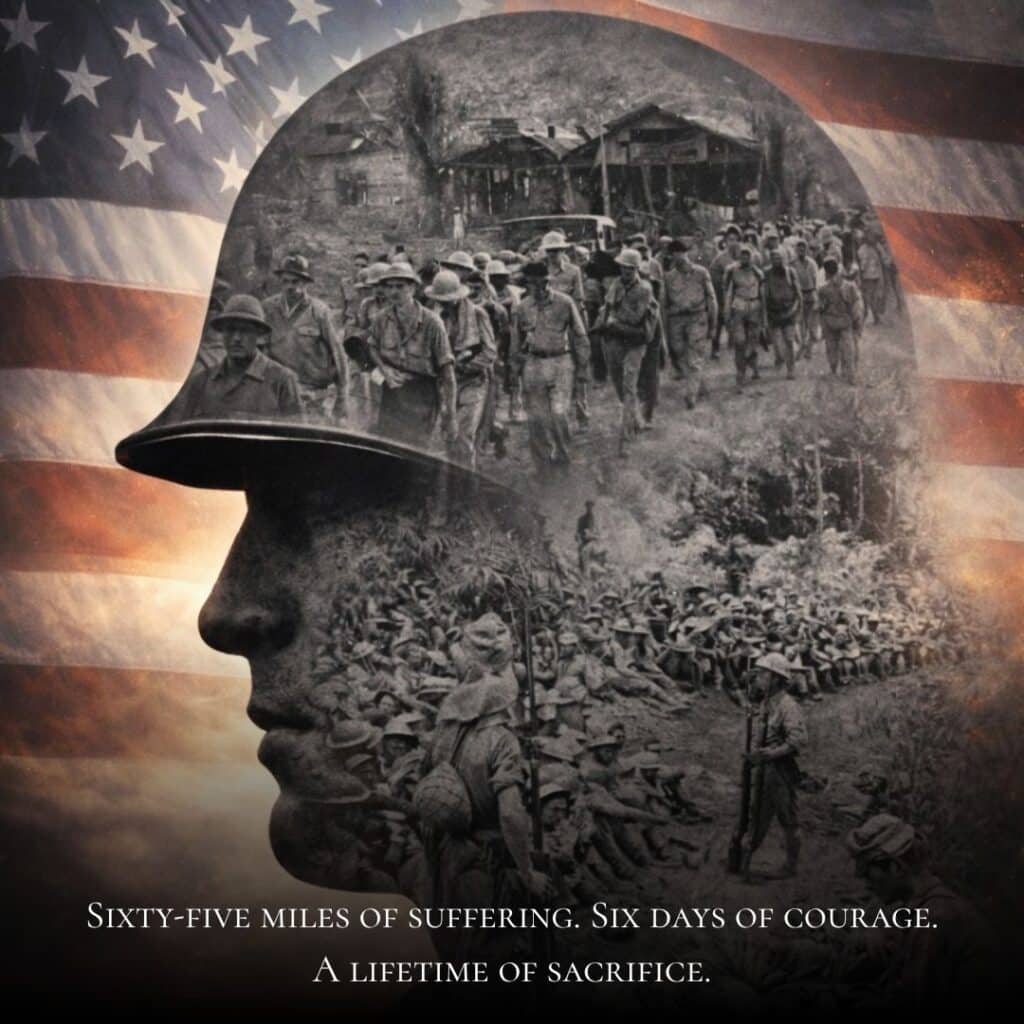
What followed became one of the most brutal atrocities of World War II. The prisoners were forced to march nearly sixty-five miles from Mariveles to San Fernando, already weakened by hunger, disease, and exhaustion. With almost no food or water, they began the march under the unforgiving Philippine sun.
Those who stumbled were beaten, those who fell were often executed, and those who tried to help others were punished without mercy. Some prisoners were bayoneted where they stood, others were shot for stepping out of line, and Japanese vehicles sometimes drove through the columns, crushing men beneath their wheels. Survivors later spoke of unbearable thirst, with some drinking from muddy ditches contaminated with oil simply to survive. Even acts of kindness became dangerous, as Filipino civilians who attempted to help were often beaten or killed, yet many still risked their lives to offer compassion. For six days and nights, the march continued without rest, mercy, or escape, only the long and unforgiving road ahead.
The Unsung Heroes of the Road
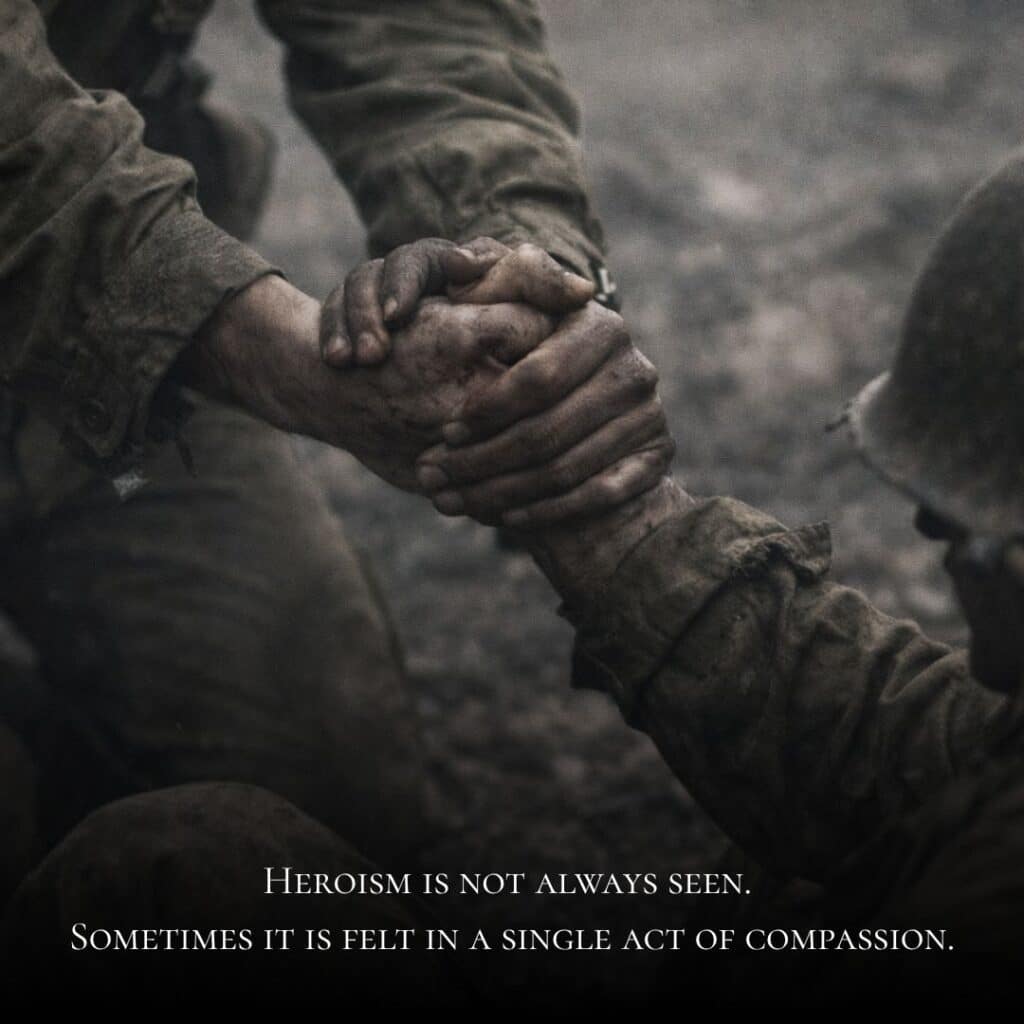
History often remembers battles and generals, but along the road to Bataan, heroism looked different. It was found in the quiet, selfless acts of soldiers who gave their last sip of water to a dying friend. Some used their remaining strength to hold up a fellow soldier so he would not fall behind. It was also found in whispered prayers, shared encouragement, and the unspoken bond of brotherhood that never broke despite suffering.
Filipino civilians also became heroes in their own right. Villagers along the route risked everything to pass food and water, hide escapees, or offer acts of humanity. Many paid for these acts with their lives. Their names may not be widely known, but their courage and compassion saved countless others and deserve remembrance alongside soldiers.
The Cost of Survival and the Legacy of Captivity
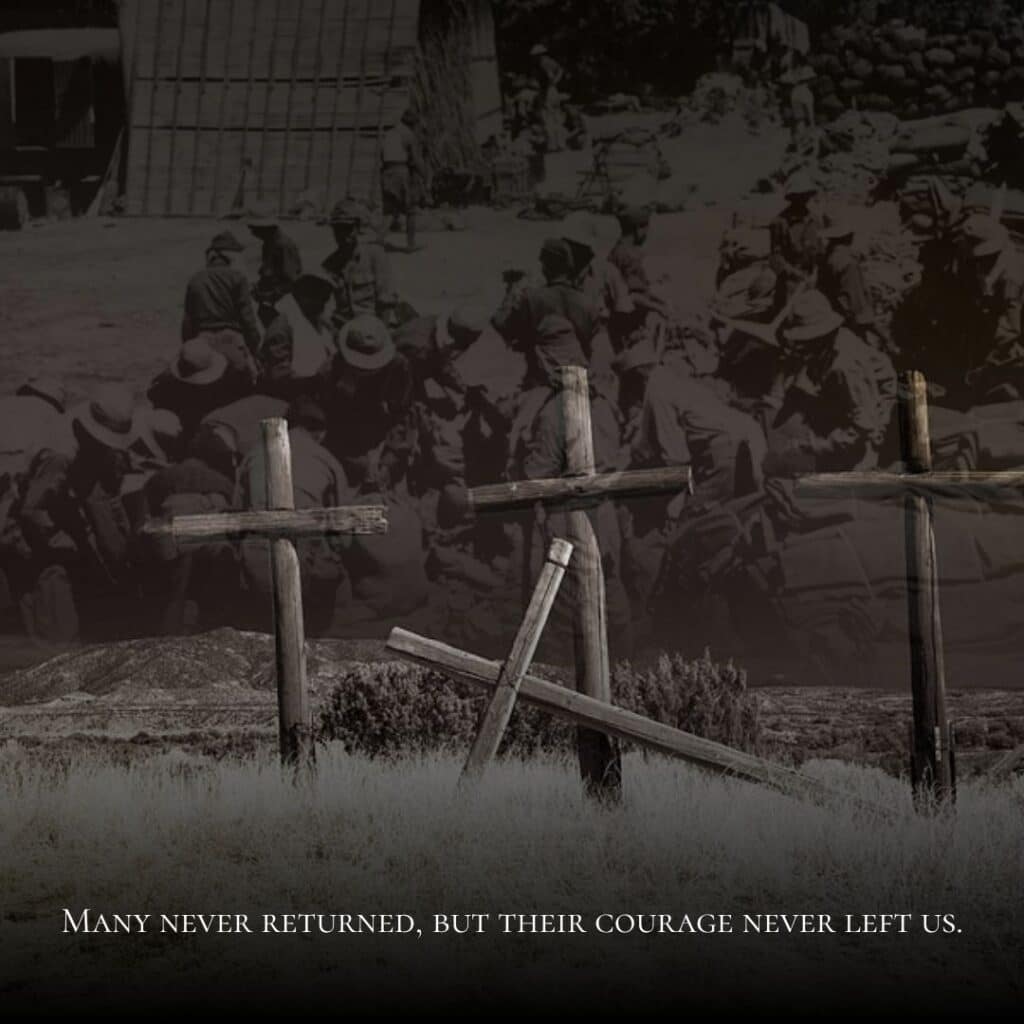
The true number of lives lost during the Bataan Death March may never be fully known, but the scale of suffering is undeniable. Historians estimate that more than 10,000 men died during the march, with thousands more perishing in the brutal prison camps that followed.
Camp O’Donnell and Cabanatuan became places of continued suffering where prisoners endured starvation, forced labor, disease, and relentless abuse. Some were later transported on so-called hell ships to Japan, forced into labor in mines and factories under horrific conditions. Many never returned home, and for countless families, there were no answers, only silence.
For those who survived the march, captivity often lasted years and brought continued hardship. Yet even under those conditions, many found ways to support one another by sharing food, holding on to faith, and reminding each other that freedom was still possible.
National Former Prisoner of War Recognition Day
The strength and resilience of those who endured captivity during and after the Bataan Death March are honored each year on National Former Prisoner of War Recognition Day, observed on April 9. This date marks the fall of Bataan in 1942 and serves as a solemn tribute to all American prisoners of war who endured unimaginable hardship in service to their country.
It is more than a day of remembrance. It is a recognition of endurance, sacrifice, and the unbreakable human spirit. For the survivors of Bataan and countless other prisoners of war, this day stands as a reminder that their suffering is not forgotten, and their courage continues to inspire generations.
Brothers in Arms and the Fight That Continued
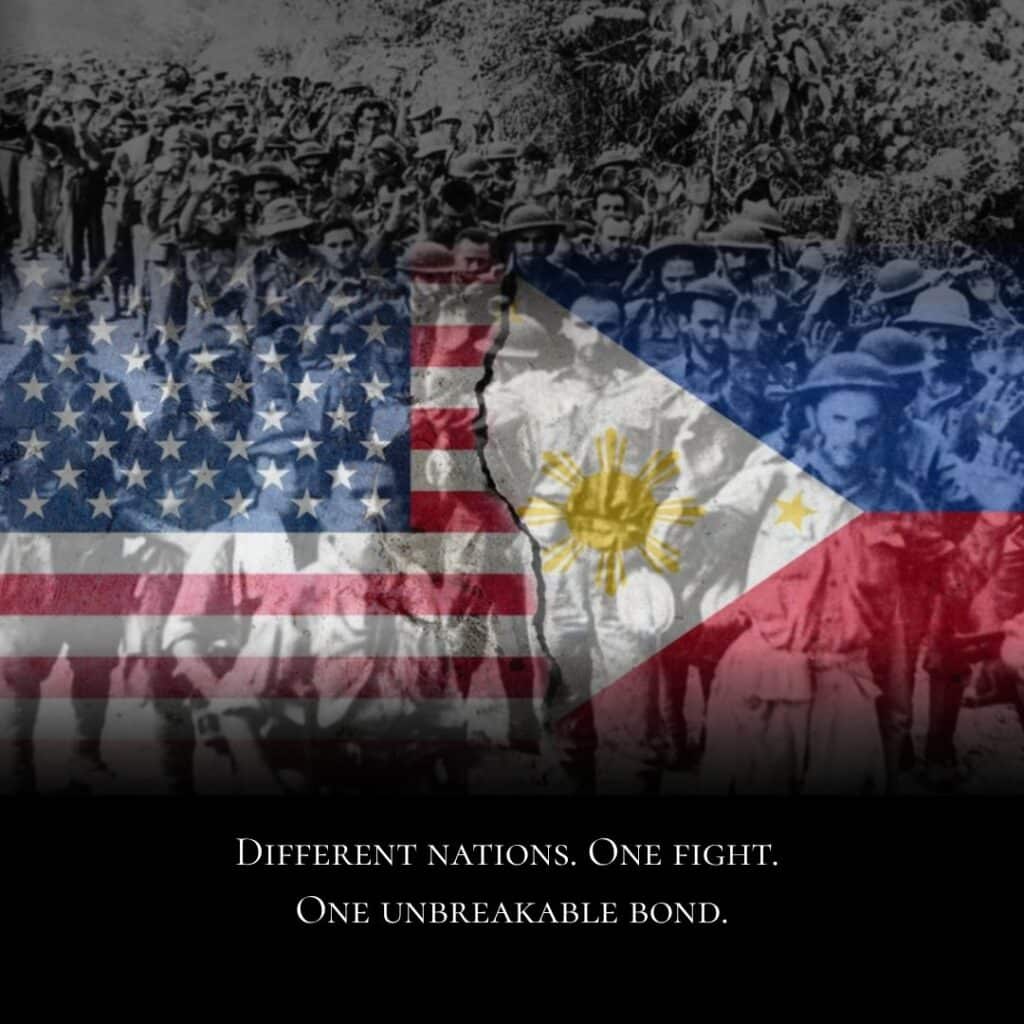
The story of Bataan is also a story of unity. Filipino soldiers fought alongside American troops with courage and determination, enduring the same hunger, disease, and brutal march into captivity. Thousands lost their lives, and thousands more suffered in the years that followed.
Their sacrifice strengthened the bond between the United States and the Philippines, a bond forged in shared struggle and mutual respect. Their courage reminds us that freedom is often defended not by one nation alone, but by allies who stand together in the face of adversity.
Even in captivity, the spirit of the men of Bataan could not be fully broken. Some escaped to join guerrilla forces, continuing the fight from mountains, while others resisted quietly, refusing to give up hope.
In 1945, Allied forces returned, and Douglas MacArthur fulfilled his promise. The rescue of prisoners at Cabanatuan became one of the most daring missions of the war. Many of the survivors were physically broken, but they were alive, and their survival became a lasting symbol of endurance and resilience.
Honoring the Legacy: The Bataan Memorial Death March
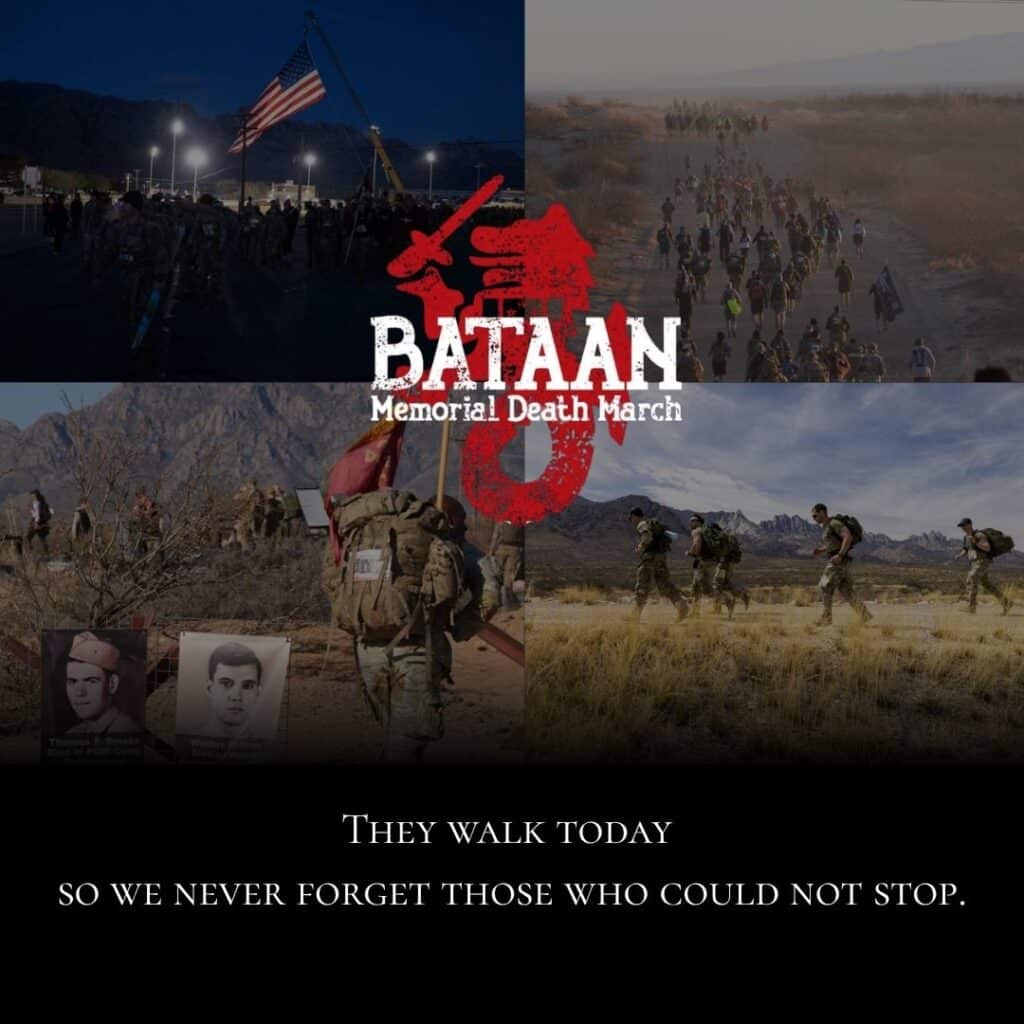
Today, the legacy of Bataan lives on not only in history books but in the footsteps of those who choose to remember. Every year in March, thousands gather at White Sands Missile Range to participate in the Bataan Memorial Death March.
The event began in 1989 as a way to honor the soldiers who endured the original march. What started as a small military remembrance has grown into an internationally recognized event, drawing more than 5,000 participants each year. People come from across the United States and around the world, including active duty Service Members, Veterans, civilians, and families who walk side by side in remembrance.
Participants face a demanding twenty-six-mile route across the desert, with some choosing to carry weighted packs to reflect the burden carried by the original soldiers. The march is not about competition, but about remembrance. Each step is taken in honor of those who could not stop, those who kept walking despite unimaginable suffering, and those who never made it home. It stands today as a living tribute, ensuring that the sacrifices of Bataan are never forgotten.
Why Their Story Still Matters Today
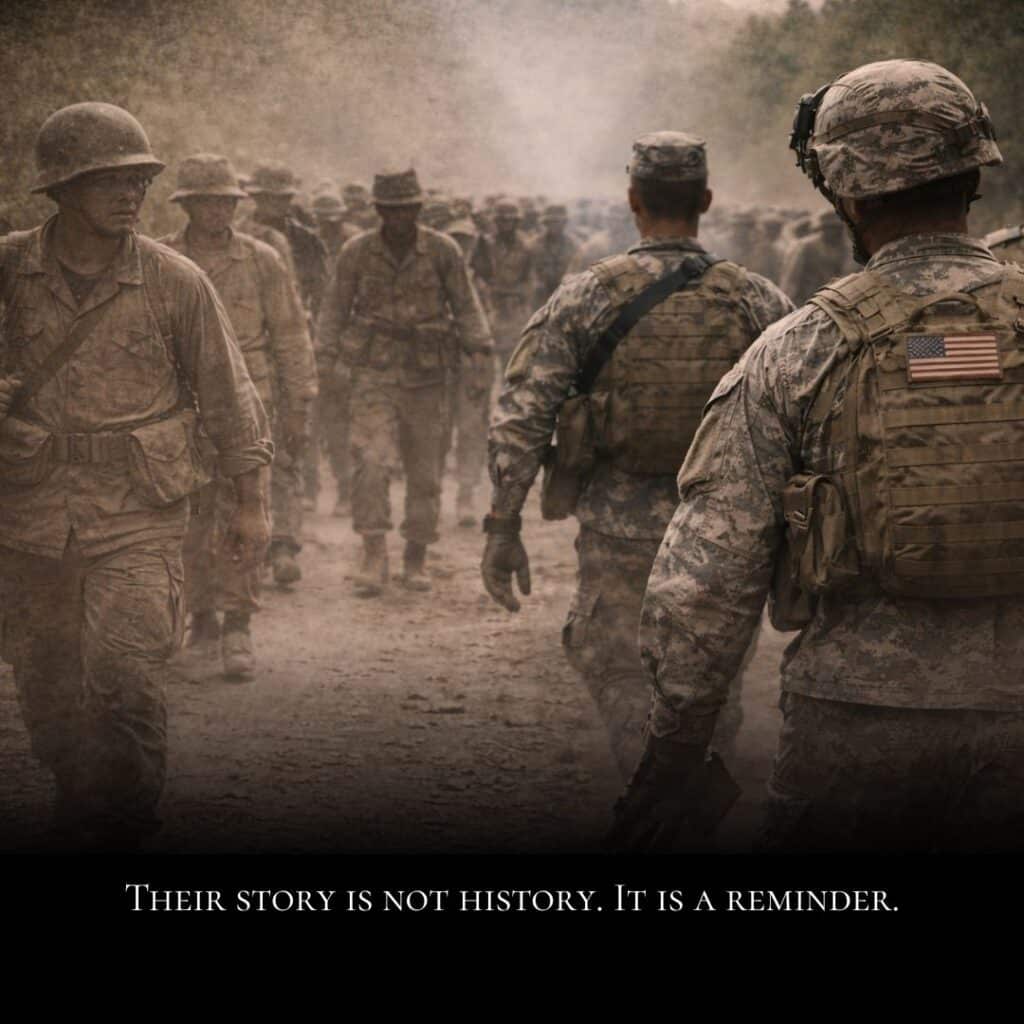
The Bataan Death March stands today as a powerful symbol of sacrifice, resilience, and patriotism. Memorials now rise where suffering once ruled, and each year, acts of remembrance continue across the world. In the Philippines, April 9 is observed as Araw ng Kagitingan, the Day of Valor, while in the United States, communities pause to honor former prisoners of war. In the deserts of New Mexico, thousands walk to remember. Together, these acts ensure that the story of Bataan continues to live on in the hearts of future generations.
It can be difficult to confront the darker chapters of history, but the Bataan Death March is not just a story of suffering. It is a story of courage. The men who endured it were ordinary individuals placed in extraordinary circumstances, facing hunger, fear, and unimaginable cruelty. And still, they endured. They showed the world what resilience looks like and what it means to stand together when everything else falls apart. Their legacy continues to remind us of the strength of the human spirit and the true cost of freedom.
A Final Salute
Let us never allow time to erase their sacrifice. The road from Mariveles to San Fernando remains sacred ground, marked by courage and loss. The men who walked it carried more than their own burdens. They carried the ideals of freedom, loyalty, and love of country.
Their suffering reminds us that freedom has always come at a cost, and their courage reminds us that even in the darkest moments, the human spirit can rise.
“These heroes shall not have died in vain.”
A Promise to Remember
This April, take time to remember the heroes of Bataan and the prisoners of war who endured so much. Observe National Former Prisoner of War Recognition Day on April 9 by learning their stories, sharing their legacy, and honoring their sacrifice.
If you are able, consider participating in or supporting events like the Bataan Memorial Death March. Because remembrance is not passive, it is a responsibility. Honor their march, carry their story, and ensure that the road of Bataan is never forgotten.
About The Author

Mike Isaac-Jimenez is a 25-year U.S. Air Force Veteran based in San Antonio, TX. He currently serves as a Marketing and Communications Contractor with Soldiers’ Angels, where he shares his passion for storytelling with his dedication to honoring military service. Mike holds a B.S. in Technical Management (Project Management) from Embry-Riddle Aeronautical University, along with A.A.S. degrees in Mechanical & Electrical Technology and Mechanical Engineering. He writes to preserve the legacies of America’s heroes and honor those who served and are still serving.