The 6888th Central Postal Directory Battalion: Restoring Hope One Letter at a Time
June 18, 2026
The story of the 6888th Central Postal Directory Battalion is a powerful representation of resilience, service, and the power of meaningful communication. Widely known as the “Six Triple Eight,” this historical World War II unit was primarily made up of African American women, with a shared mission that transcended barriers of race, gender, and expectations: to restore the flow of mail and, with it, restore hope.
While simple in description, their goal was massive in scale, with millions of letters stalled overseas, and morale among U.S. Service Members was rapidly declining. The Six Triple Eight stepped into a problem that many believed could not be solved. Today, their legacy continues to remind us why a single letter can still make a powerful difference.
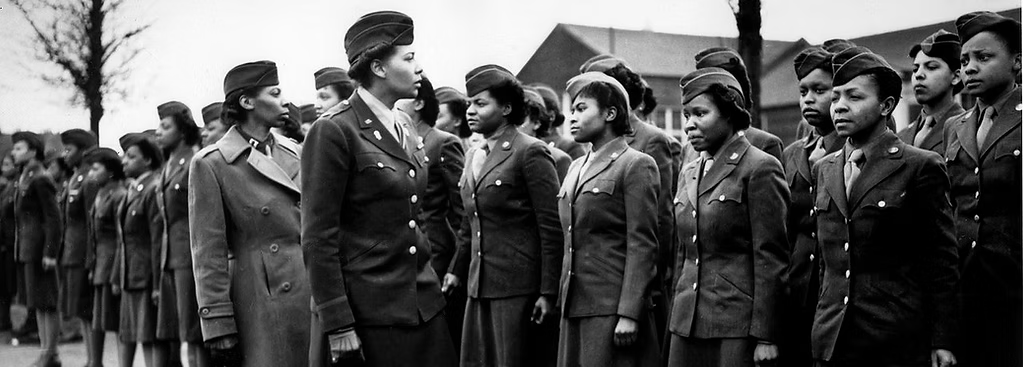
A Crisis of Communication
During World War II, the U.S. military faced an overwhelming backlog of undelivered mail in Europe. Millions of letters and care packages accumulated in warehouses for months, sometimes even years. This breakdown in communication had a direct emotional impact on deployed Service Members, many of whom depended on messages from home to stay grounded, motivated, and connected to those they love.
The situation was so severe that it became a matter of morale and readiness, leading to the battalion’s unofficial motto:
“No mail, low morale.”
Without a reliable system, communication between troops and loved ones was breaking down at the exact moment it was needed most.
The Mission
In response to this growing crisis, the U.S. Army deployed the 6888th Central Postal Directory Battalion overseas. Led by Major Charity Adams (later Lieutenant Colonel), the battalion of 855 was the only Women’s Army Corps unit of its kind sent during World War II. Their mission was clear: Sort, organize, and deliver the massive backlog of mail.
What made their mission especially remarkable was not only the scale of the problem, but the conditions under which they worked. The women worked in cold, dim warehouses, often on rotating shifts around the clock. They developed an innovative system to track and identify recipients, using index cards and meticulous organization to correctly route mail, long considered undeliverable.
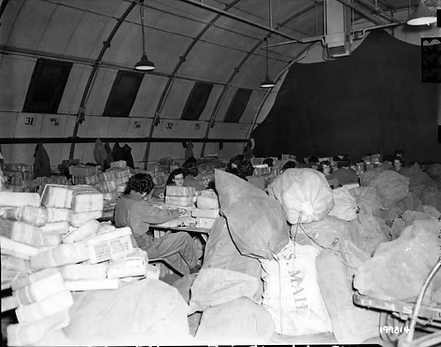
Their work was not simply administrative. It was deeply human. Every letter represented a son, daughter, spouse, or parent reaching across the distance of war.
A Barrier-Breaking Unit of Women
The Six Triple Eight was a multi-ethnic battalion made up primarily of African American women, serving at a time when both racial and gender discrimination were deeply embedded in the U.S. military and society. Their presence alone challenged prevailing assumptions about who was capable of leadership, technical skill, and operational excellence.
Despite these barriers, the women of the Six Triple Eight proved their capability, professionalism, and discipline under extreme conditions. Despite expectations that the backlog would take months to resolve, the 6888th completed their mission in roughly half the projected time. They processed an estimated 17 million pieces of mail, clearing warehouses that had once seemed impossible to organize. Proving that capability and leadership are not defined by race or gender, but by dedication and skill.
A Lasting Impact
The impact of their work was immediate. Letters from home, once delayed and uncertain, began reaching their intended recipients. For many Service Members, these messages were lifelines carrying emotional weight that cannot be overstated. They were reminders of home, identity, and life beyond the battlefield.
The Six Triple Eight’s impact extended far beyond the mail they delivered. They challenged long-standing assumptions about who could serve, lead, and excel in military operations. Their professionalism, innovation, and determination helped pave the way for future generations of women in the Armed Forces.
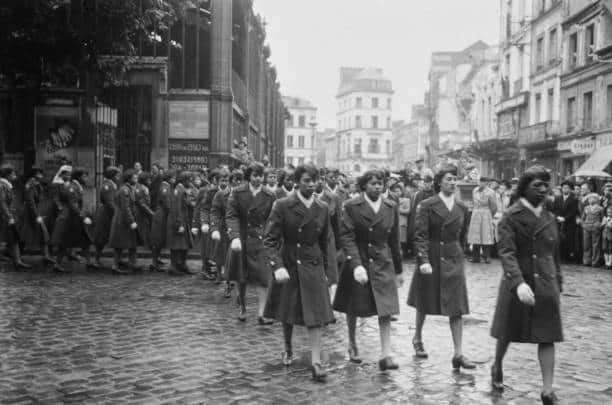
Although their contributions went largely unrecognized for decades, the legacy of the Six Triple Eight continues to inspire Americans today. Their story serves as a reminder that service takes many forms and that even behind-the-scenes work can have a lasting impact on countless lives.
Why Their Mission Still Matters Today
The 6888th Central Postal Directory Battalion stands as a powerful reminder that impact does not always come from the battlefield. Sometimes it comes from persistence and the determination to ensure that no message and no person is forgotten.
Their unofficial motto, “No mail, low morale,” reflects a truth that remains relevant today. Human connection is not a luxury; it is a necessity.
Interested in making an impact of your own? Learn more about writing letters and sending care packages through Soldiers’ Angels here.
About the Author

Dallas Green served in the U.S. Air Force for 5 years. She began her journey with Soldiers’ Angels as a SkillBridge Marketing Intern and now continues to support their mission while pursuing her bachelor’s degree through Arizona State University.