Presidents in Combat: Warriors Who Led the Nation
February 7, 2026
Throughout American history, many United States presidents first served their country in uniform before taking the oath of office. Their military experiences shaped their leadership, tested their character, and influenced the decisions they later made as Commander in Chief. From the Revolutionary War to World War II and beyond, these leaders carried the lessons of service into the Oval Office, guiding the nation through some of its most defining moments.
Military service often places individuals in situations that demand courage, sacrifice, teamwork, and resilience. For the presidents who served, these lessons did not end when they hung up their uniforms. Instead, they became foundational elements of how they governed, led the armed forces, and connected with Service Members and Veterans.
This is the story of the Presidents in Combat whose time in uniform helped shape the United States, and how their experiences in war influenced their leadership during times of peace and conflict.
George Washington: The First Commander in Chief
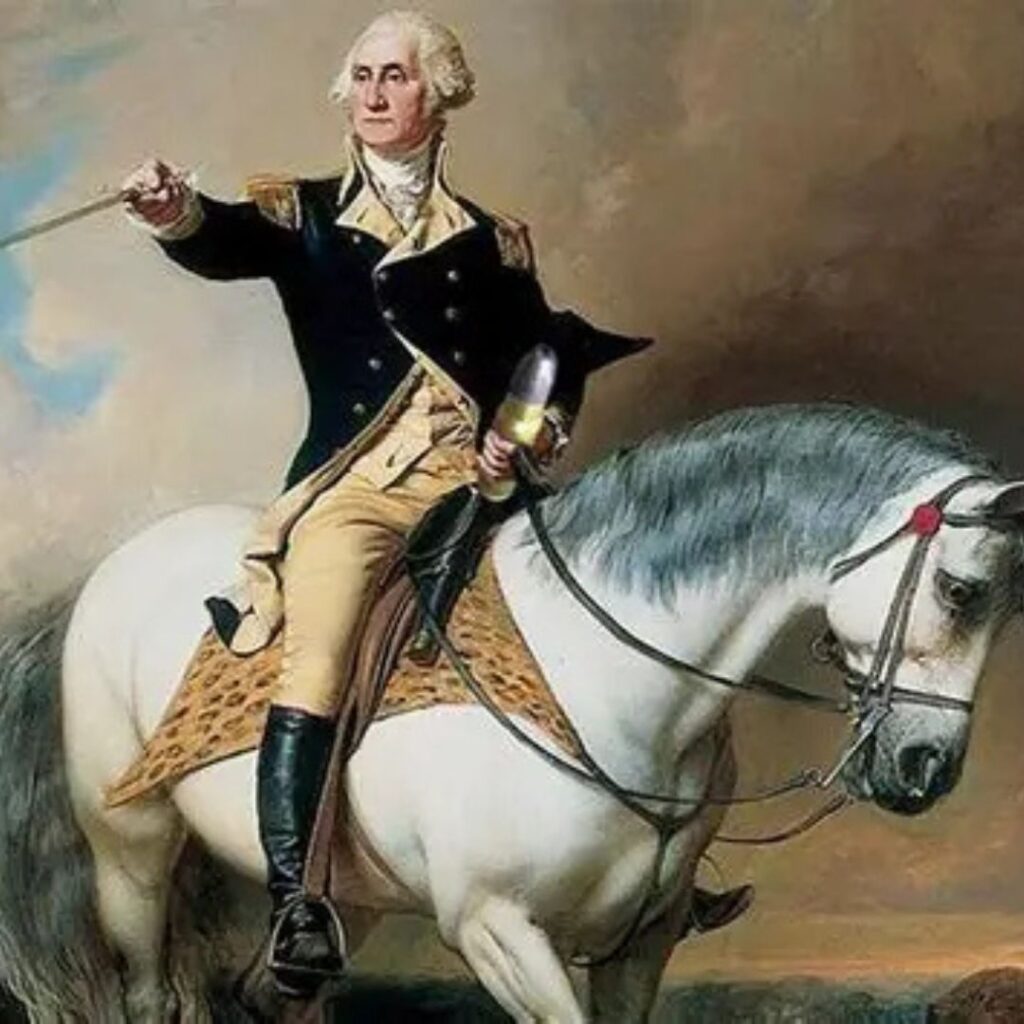
Before he became the nation’s first president, George Washington was already a symbol of American leadership and perseverance. Washington served as the Commander in Chief of the Continental Army during the American Revolutionary War. His leadership was instrumental in securing independence from Great Britain.
Washington faced overwhelming challenges. The Continental Army often lacked proper supplies, training, and funding. During the harsh winter at Valley Forge in 1777 and 1778, thousands of soldiers endured freezing temperatures, disease, and hunger. Despite these hardships, Washington maintained morale and unity among his troops, proving that leadership is not defined by comfort but by resolve.
Washington once expressed the heavy responsibility he carried during the war, writing in 1776, “I am truly sensible of the high honor done me in this appointment, yet I feel great distress from a consciousness that my abilities and military experience may not be equal to the extensive and important trust.”
His humility and dedication to duty helped establish a leadership style rooted in accountability and service. After the war, Washington reinforced democratic principles by voluntarily stepping down from power, setting a precedent for peaceful transitions of leadership that continues today.
Andrew Jackson: A Soldier’s Grit and Controversy
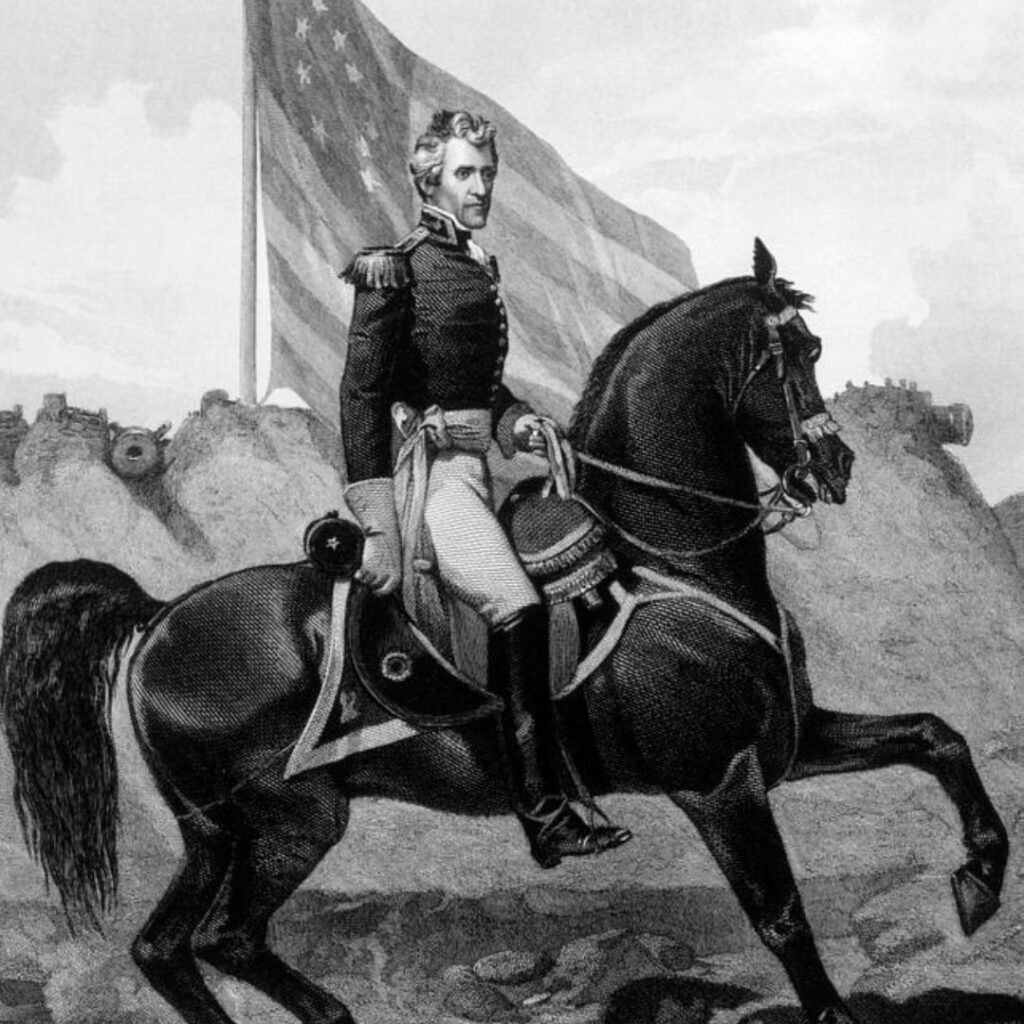
Andrew Jackson’s military career began during the Revolutionary War when he served as a teenage courier for the Continental Army. He was captured by British forces and famously refused to shine a British officer’s boots. The officer struck him with a sword, leaving lasting physical and emotional scars.
Jackson later rose to prominence as a general in the United States Army. He gained national recognition after leading American forces to victory at the Battle of New Orleans during the War of 1812. The victory boosted American morale and solidified Jackson’s reputation as a strong and determined leader.
Jackson later reflected the pride he felt in defending the country when he said, “The brave men who fought and fell in our country’s cause deserve our lasting gratitude.”
While Jackson’s presidency remains controversial due to policies such as the Indian Removal Act, his military background helped shape his reputation as a decisive and forceful leader who valued strength and national unity.
Ulysses S. Grant: From Battlefield Strategy to National Healing
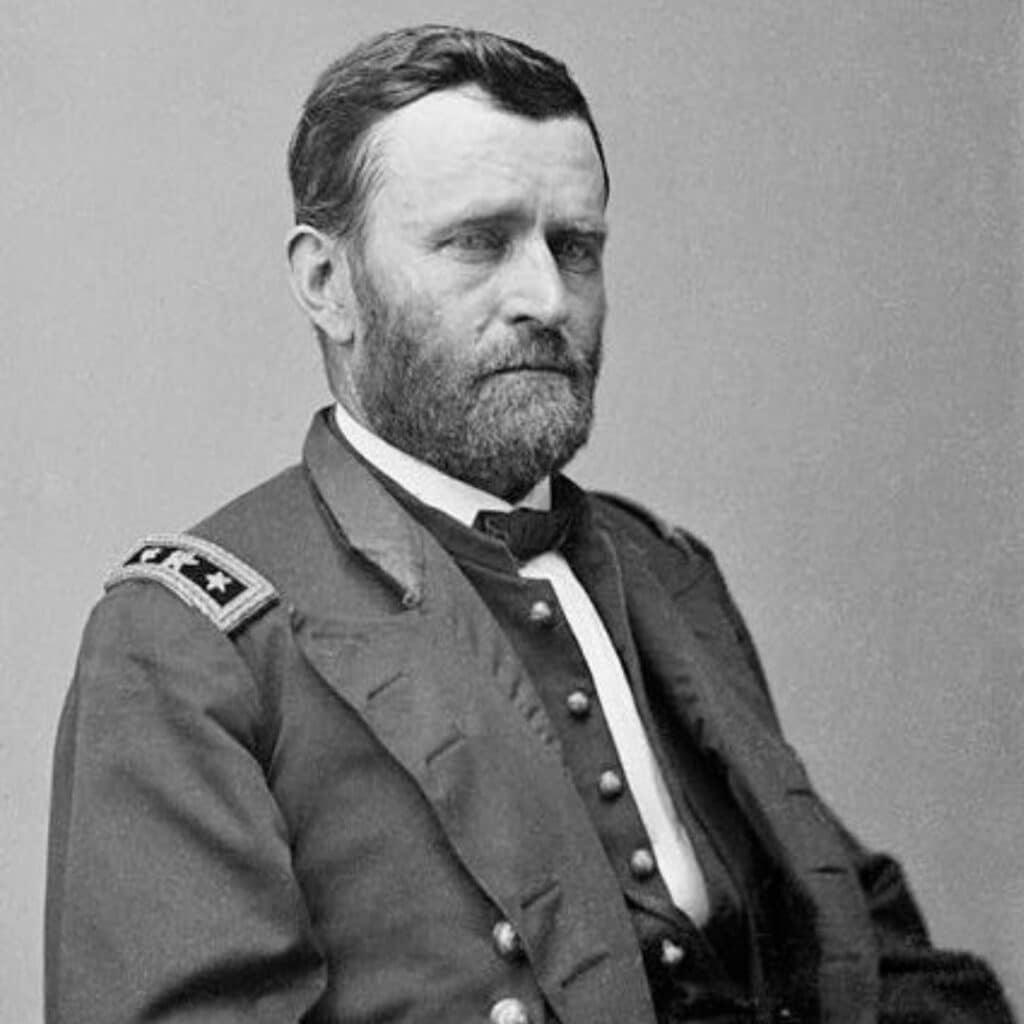
Ulysses S. Grant’s military service during the Civil War placed him among the most important figures in preserving the United States. As Commanding General of the Union Army, Grant developed strategies that ultimately led to the defeat of Confederate forces.
Grant understood the devastating cost of war. His willingness to engage in prolonged campaigns demonstrated his belief that ending the conflict quickly would ultimately save lives. His leadership culminated in General Robert E. Lee’s surrender at Appomattox Court House in 1865, effectively ending the Civil War.
Grant demonstrated compassion and respect toward former Confederate soldiers during the surrender. He later wrote in his memoirs, “The war is over. The rebels are our countrymen again.”
As president, Grant focused on protecting the rights of formerly enslaved individuals and worked to stabilize a divided nation during Reconstruction. His military experience reinforced his belief in unity, justice, and reconciliation.
Theodore Roosevelt: Courage and the Spirit of Service
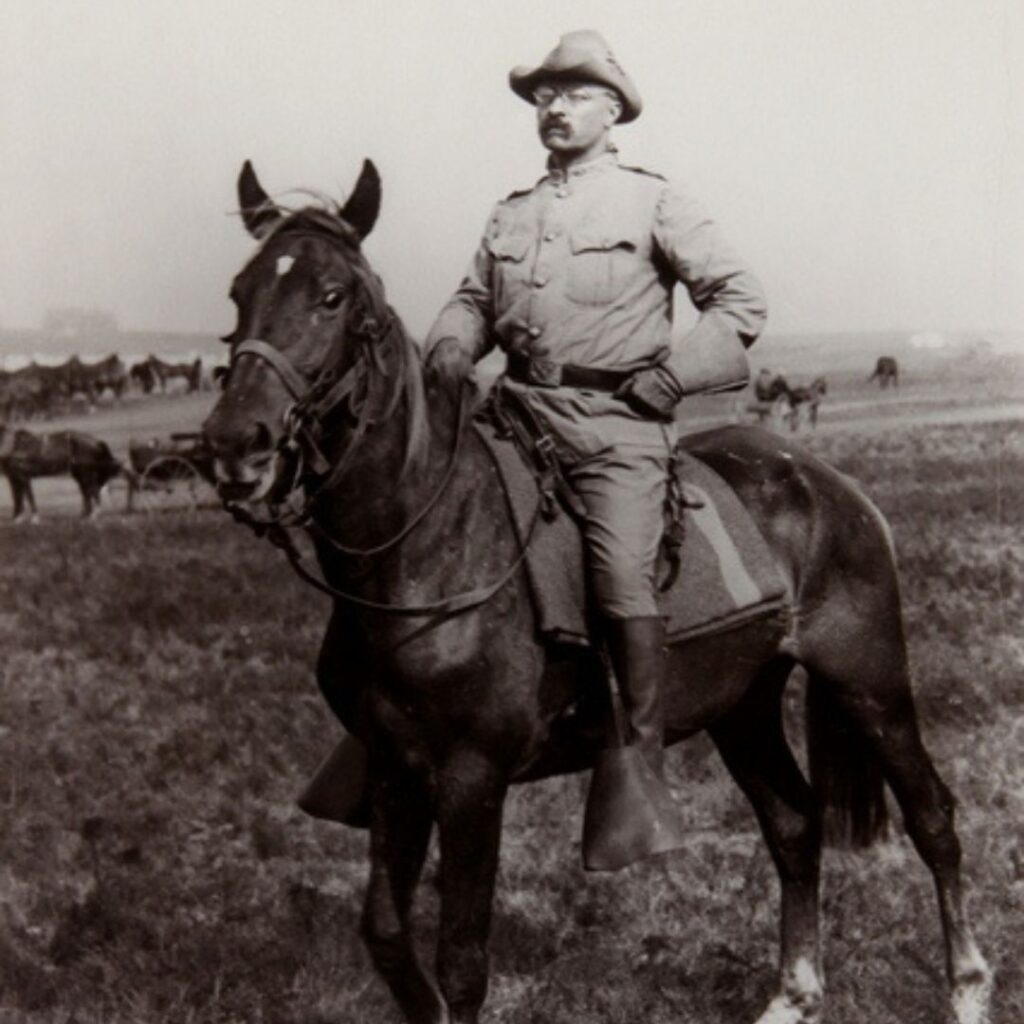
Theodore Roosevelt’s passion for military service was evident long before he became president. During the Spanish American War, Roosevelt resigned as Assistant Secretary of the Navy to help form the First United States Volunteer Cavalry, known as the Rough Riders.
Roosevelt led his troops during the famous charge up San Juan Hill in Cuba in 1898. His bravery during the battle earned him national recognition and later the Medal of Honor, which was awarded posthumously in 2001.
Roosevelt believed deeply in the value of strength and preparedness. He once stated, “No man is worth his salt who is not ready at all times to risk his well being, to risk his body, to risk his life, in a great cause.”
As president, Roosevelt expanded and modernized the United States Navy, believing a strong military presence helped maintain peace and protect American interests worldwide.
Harry S. Truman: A Captain’s Responsibility
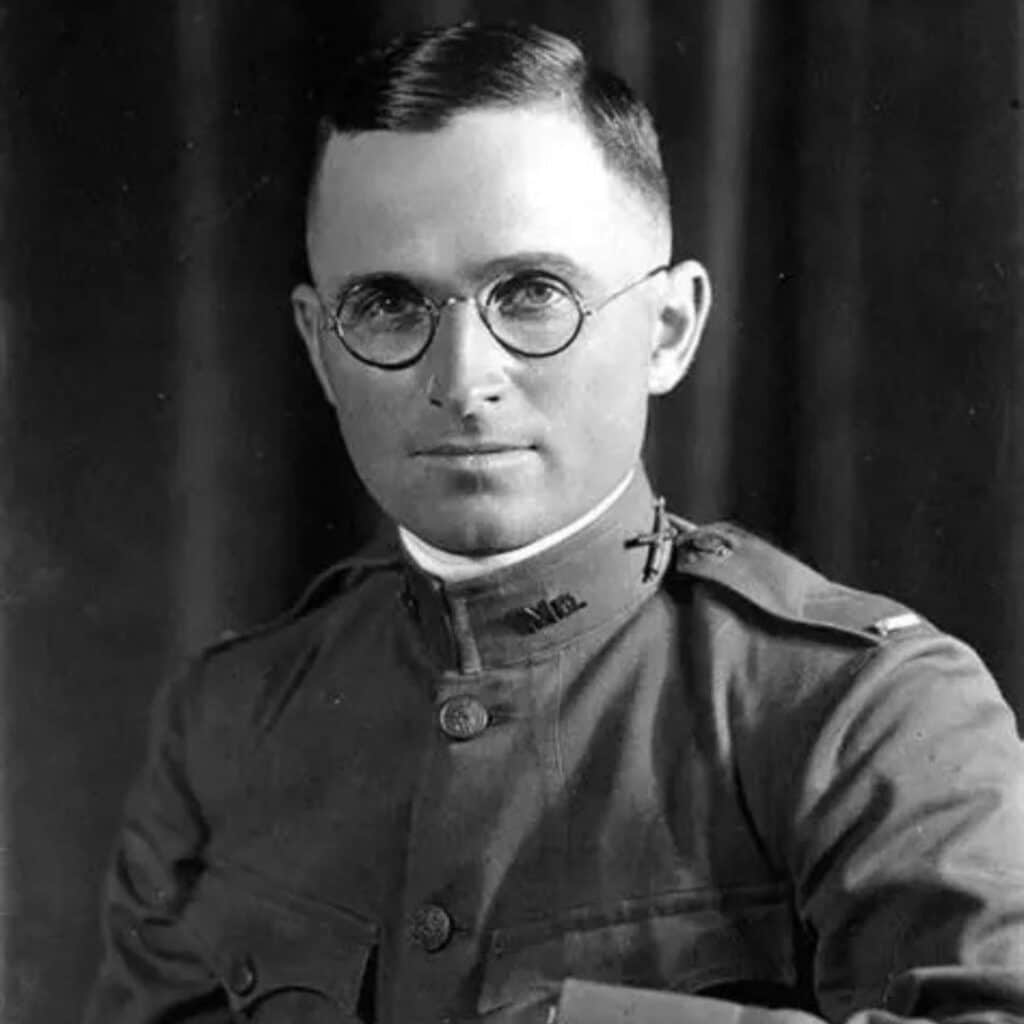
Harry S. Truman served as an artillery officer during World War I. As a captain in the 129th Field Artillery Regiment, Truman led soldiers in dangerous combat conditions in France. He earned respect for his calm leadership and his ability to care for his troops while maintaining discipline.
Truman’s wartime experiences deeply influenced his presidency, especially during World War II when he made the difficult decision to authorize the use of atomic weapons against Japan. Truman understood the devastating impact of war and believed his decision would ultimately save lives by ending the conflict more quickly.
Truman later explained the burden of leadership by stating, “The buck stops here.”
His words reflected his belief that leaders must accept responsibility for their decisions, particularly when those decisions affect the lives of Service Members and civilians.
Dwight D. Eisenhower: Strategic Leadership and Global Perspective
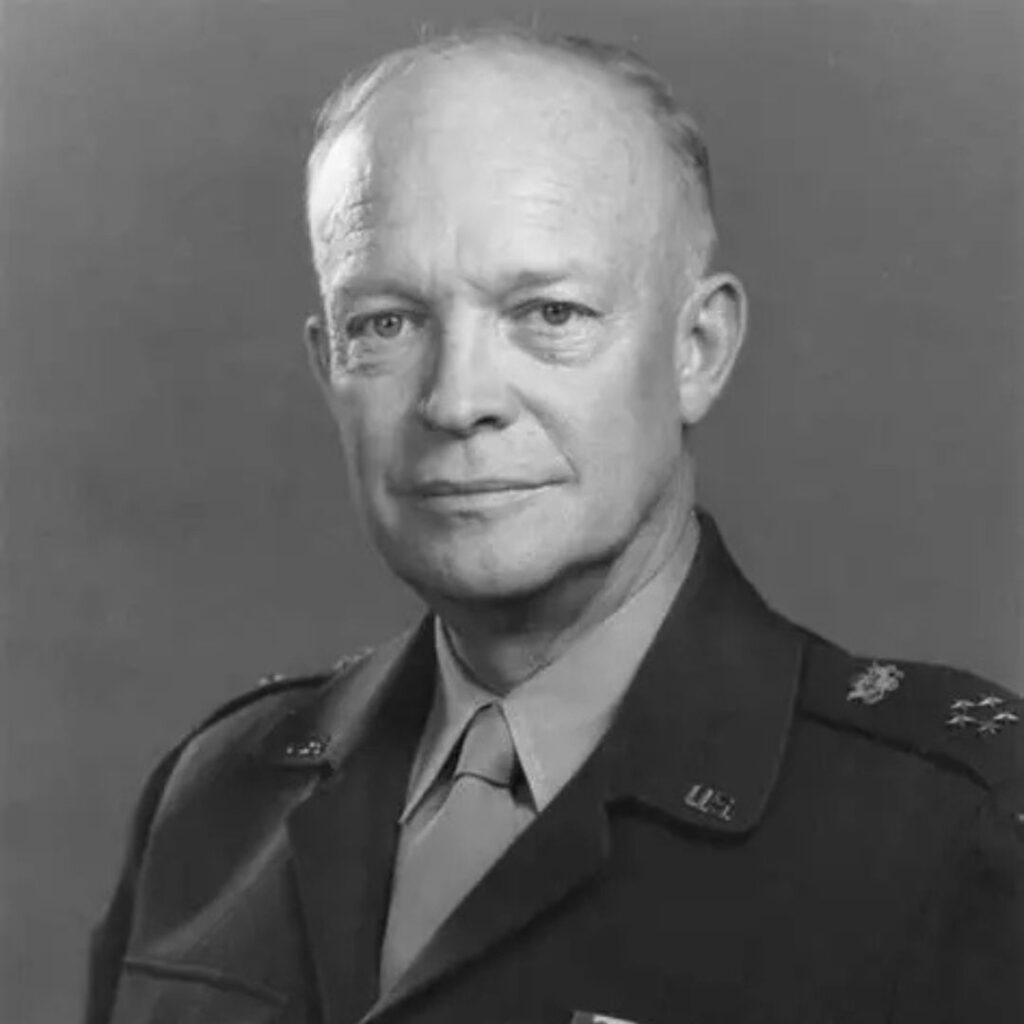
Dwight D. Eisenhower’s military career placed him at the center of Allied strategy during World War II. As Supreme Commander of Allied Expeditionary Forces in Europe, Eisenhower planned and executed Operation Overlord, the invasion of Normandy on June 6, 1944.
The success of D Day marked a turning point in the war and required extensive coordination among Allied nations. Eisenhower demonstrated humility and accountability in preparation for the invasion. Before the operation began, he drafted a message accepting full responsibility if the mission failed, writing, “If any blame or fault attaches to the attempt it is mine alone.”
As president, Eisenhower worked to reduce Cold War tensions while strengthening national defense. His military background helped him understand both the necessity of military strength and the importance of diplomacy.
John F. Kennedy: Leadership Tested at Sea
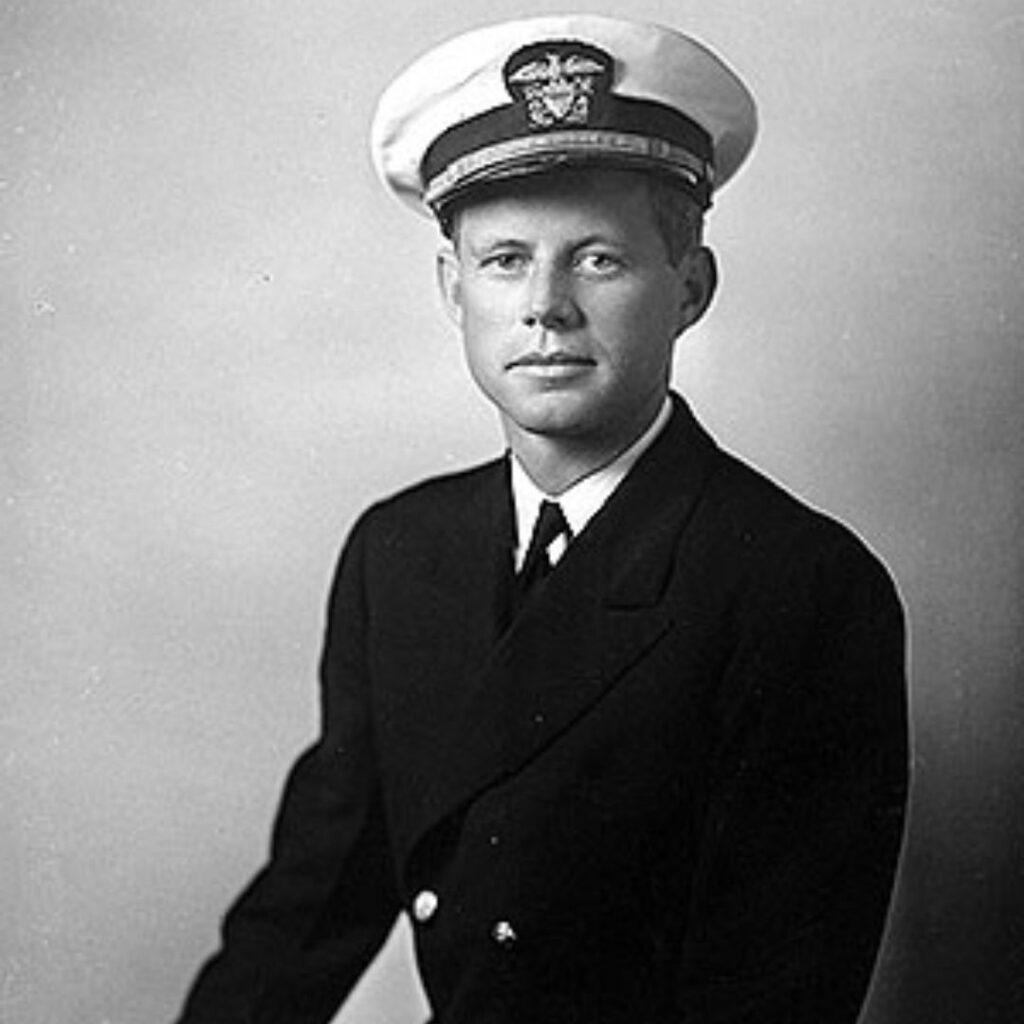
John F. Kennedy served in the United States Navy during World War II and commanded Patrol Torpedo Boat PT 109. In 1943, the boat was struck by a Japanese destroyer in the Solomon Islands. Kennedy demonstrated extraordinary bravery by helping rescue injured crew members and leading survivors to safety.
Kennedy later reflected on the cost of war, stating, “Any man who may be asked in this century what he did to make his life worthwhile can respond with a good deal of pride and satisfaction, ‘I served in the United States Navy.’”
Kennedy’s wartime experience shaped his understanding of military sacrifice and influenced his leadership during Cold War crises such as the Cuban Missile Crisis, where restraint and diplomacy helped prevent nuclear conflict.
Lyndon B. Johnson: Service and Understanding Sacrifice
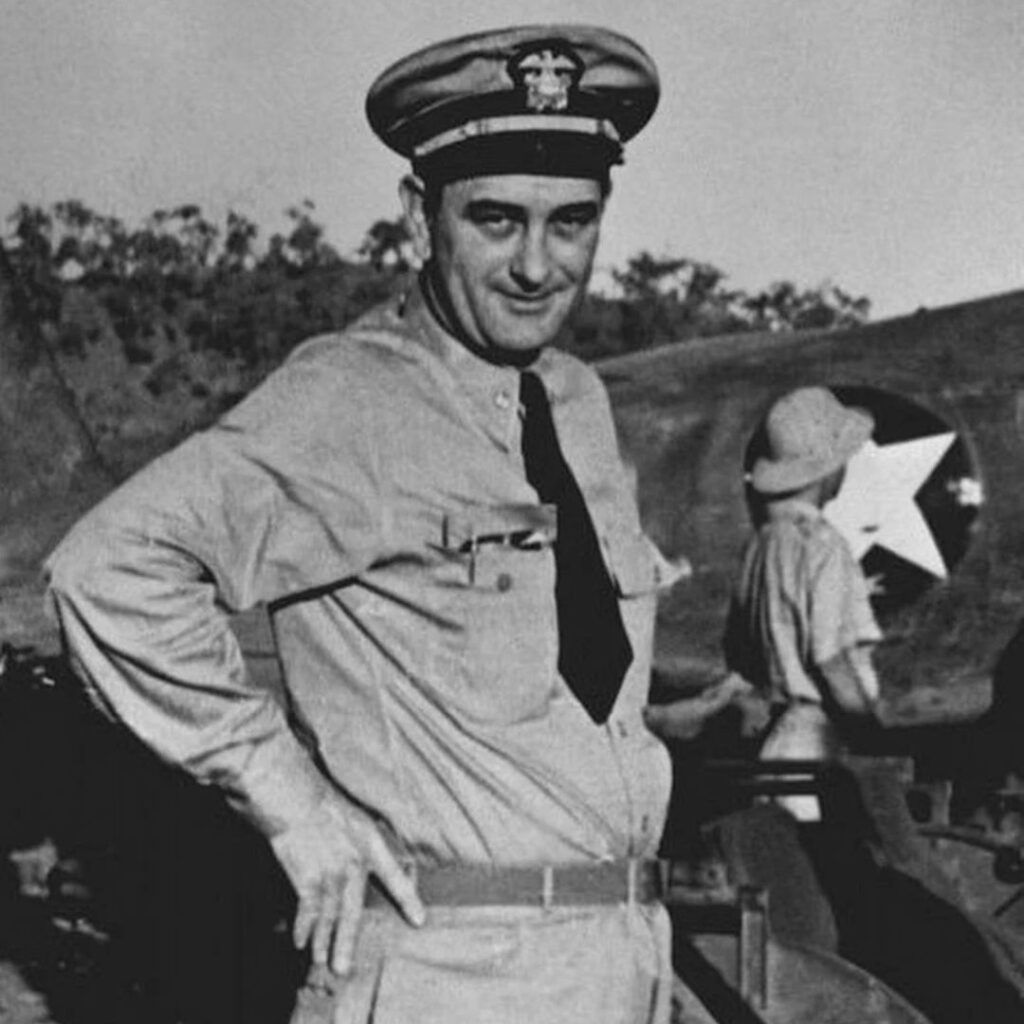
Lyndon B. Johnson served in the United States Navy Reserve during World War II. He volunteered for active duty and flew as an observer during a combat mission in the Pacific Theater. Johnson received the Silver Star for his service.
Johnson’s time supporting military operations gave him insight into the challenges Service Members faced. As president, he expanded Veterans’ benefits and healthcare programs while navigating the difficult and controversial Vietnam War.
Johnson often expressed respect for those who served, once stating, “The noblest search is the search for excellence.”
George H. W. Bush: The Youngest Naval Aviator
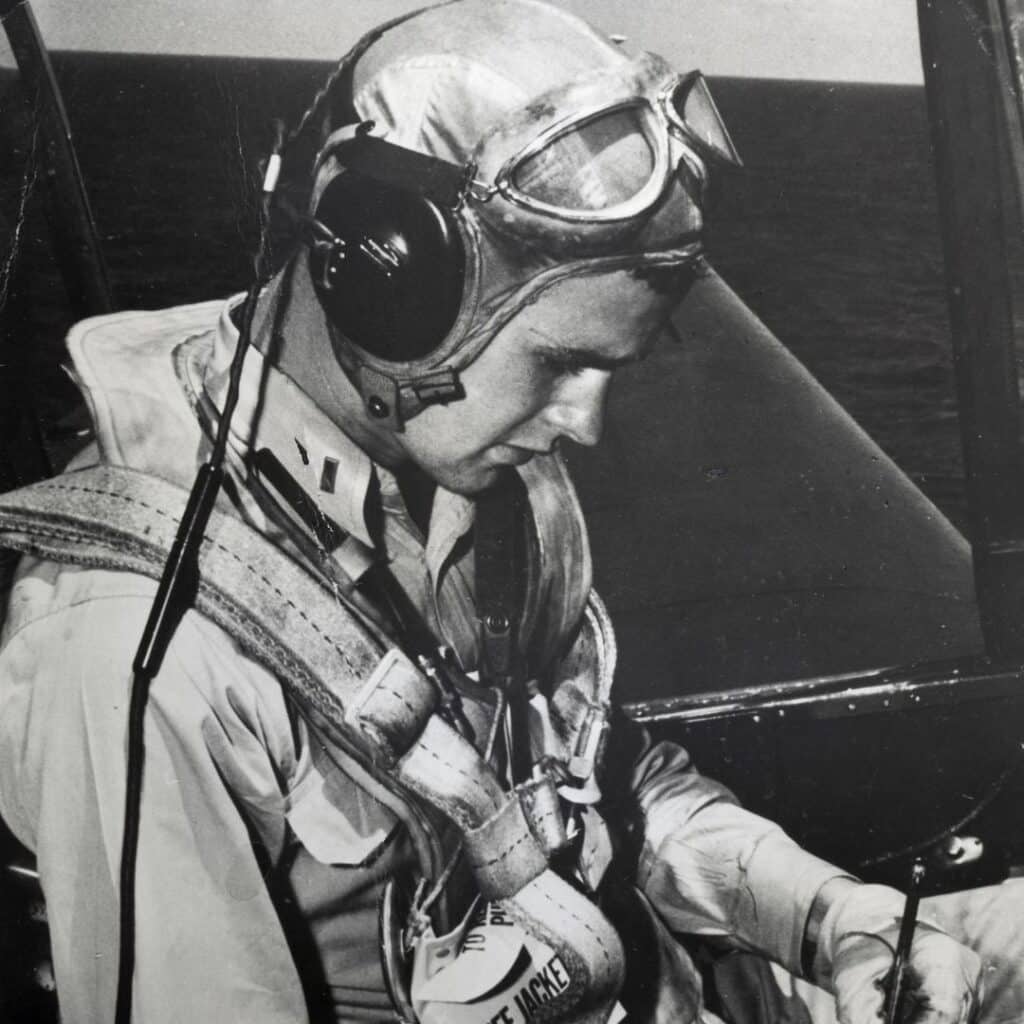
George H. W. Bush became one of the youngest naval aviators in United States history when he joined the Navy at age eighteen during World War II. Bush flew 58 combat missions in the Pacific Theater.
In 1944, Bush’s aircraft was shot down during a bombing mission over Chichijima. Despite being under enemy fire, he completed his attack before parachuting into the ocean, where he was later rescued by a United States submarine.
Bush often spoke about the importance of service and sacrifice. He stated, “Some people spend an entire lifetime wondering if they made a difference. The Marines do not have that problem.”
As president, Bush demonstrated steady leadership during the Gulf War and emphasized international cooperation and coalition building.
The Lasting Impact of Presidential Military Service
The presidents who served in uniform brought firsthand knowledge of military life into the highest office in the nation. Their experiences shaped policies, military strategies, and their relationships with Service Members and Veterans.
Military service often instills qualities such as accountability, courage, resilience, and respect for teamwork. These traits proved essential as these leaders navigated national crises, wars, and social challenges.
Their stories also highlight the profound connection between civilian leadership and military service. Understanding the sacrifices made by Service Members often deepens a leader’s commitment to protecting those who defend the nation.
Honoring a Legacy of Service
The legacy of presidents who served reminds Americans that leadership is often forged through sacrifice and dedication to something greater than oneself. Their stories demonstrate that service to country can take many forms, but the values learned through military service can shape a lifetime of leadership.
Today, millions of Americans continue to serve in the armed forces, following a tradition of courage and commitment that helped shape the nation’s history. Supporting Service Members, Veterans, and their families ensures that this legacy continues.
Organizations like Soldiers’ Angels play a vital role in honoring and supporting those who serve. Through volunteer programs, care packages, and community engagement, Americans can express gratitude and provide meaningful support to the men and women who defend freedom.
The presidents who once wore the uniform understood that service does not end when the mission is complete. It continues through leadership, compassion, and dedication to the people they served. Their legacy reminds us that true leadership begins with service.
About The Author

Mike Isaac-Jimenez is a 25-year U.S. Air Force Veteran based in San Antonio, TX. He currently serves as a Marketing and Communications Veteran intern with Soldiers’ Angels, where he shares his passion for storytelling with his dedication to honoring military service. Mike holds a B.S. in Technical Management (Project Management) from Embry-Riddle Aeronautical University, along with A.A.S. degrees in Mechanical & Electrical Technology and Mechanical Engineering. He writes to preserve the legacies of America’s heroes and honor those who served and are still serving.