National Fried Chicken Day: Korean Fried Chicken’s Military Roots
July 1, 2026
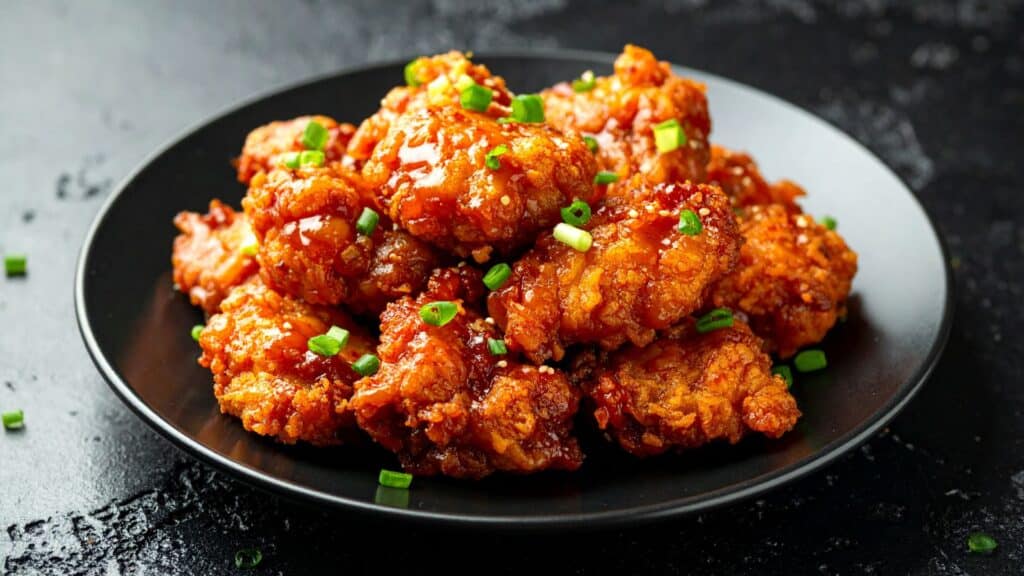
Every year on July 6, food lovers across the United States celebrate National Fried Chicken Day, enjoying one of the world’s most beloved comfort foods. From Southern buttermilk fried chicken to spicy Nashville hot chicken, fried chicken has become a staple across countless cultures, each adding its own unique twist to a universally loved dish.
Among the many variations of fried chicken enjoyed around the world, one style has experienced an incredible rise in popularity over the last several decades: Korean Fried Chicken.
Known for its impossibly crispy exterior, flavorful sauces, and perfect balance of sweet, savory, and spicy flavors, Korean Fried Chicken has become a global culinary sensation. But beyond its irresistible crunch lies a fascinating story of cultural influence, resilience, innovation, and history.
This National Fried Chicken Day, we’re taking a closer look at the origins of Korean Fried Chicken, how it became a cultural icon, and the surprising connection between international influence, one of Korea’s most beloved modern comfort foods, and the United States Military.
The Universal Love for Fried Chicken
Frying chicken has existed in many cultures for centuries. Historians trace early forms of fried chicken to Scotland, where cooks traditionally fried chicken in fat without heavy seasoning. West African culinary traditions also played a major role, particularly through seasoning techniques and spiced preparations brought to the Americas through generations of cultural exchange.
Over time, fried chicken evolved into one of America’s most iconic comfort foods, particularly in the Southern United States, where recipes became deeply tied to family traditions, celebrations, and regional identity.
But while fried chicken has strong roots in American cuisine, its influence eventually spread far beyond U.S. borders, reaching the Korean Peninsula during one of the most pivotal moments in modern history.
The Korean War and the Introduction of American Fried Chicken
To understand the origins of Korean Fried Chicken, we have to travel back to the early 1950s during the Korean War.
Before the war, chicken was not a common everyday meal in Korea. Poultry was relatively expensive, and many families raised chickens primarily for eggs rather than meat. Fried foods were generally less prominent in traditional Korean cooking, which focused heavily on steaming, fermenting, boiling, and grilling.
During the Korean War, American troops stationed in South Korea brought many aspects of American culture with them, including food. U.S. military personnel frequently consumed fried chicken, canned goods, processed foods, and other American staples that were unfamiliar to many Koreans at the time.
As South Korea began rebuilding after the war, exposure to American cuisine slowly began influencing local food culture. Fried chicken, once considered foreign, began making its way into Korean restaurants and households.
What began as a foreign introduction would eventually transform into something entirely new.
Reinventing Fried Chicken the Korean Way
By the 1960s and 1970s, South Korea was undergoing rapid economic development. As urban populations grew and Western influences expanded, restaurants began experimenting with American-style fried chicken.
But Korean chefs didn’t simply replicate the recipes they observed from American influence.
Instead, they adapted fried chicken to better reflect Korean culinary preferences.
Traditional American fried chicken typically uses thick flour dredges, but Korean cooks began focusing on creating a thinner coating that emphasized texture over heaviness. Many recipes adopted potato starch or lighter batters that created a crispier finish.
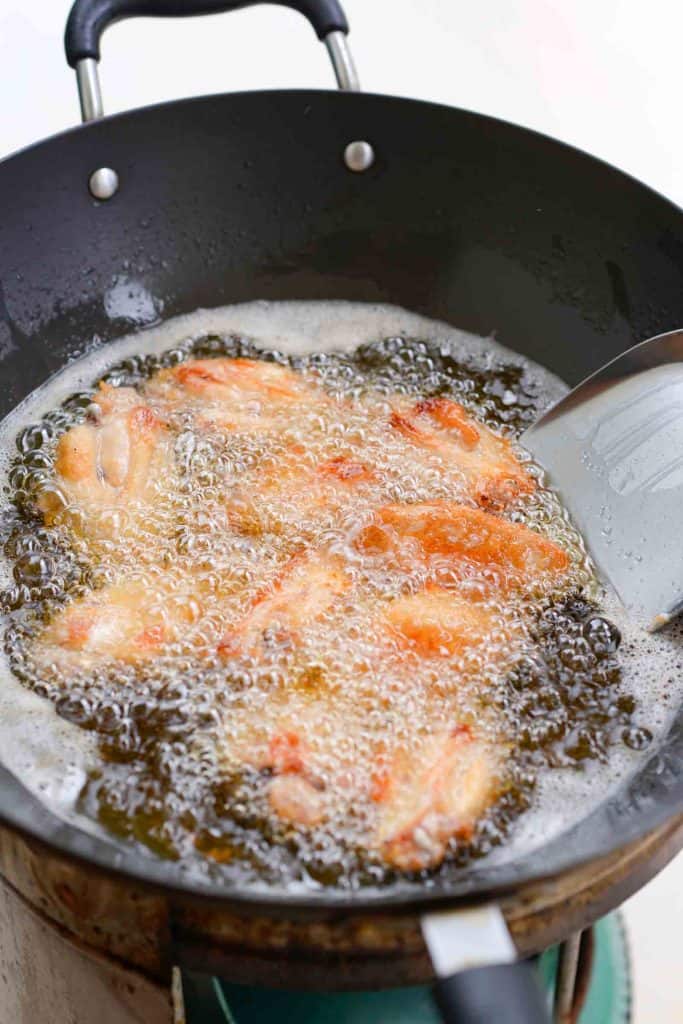
Then came one of the biggest innovations that would forever define Korean Fried Chicken:
Double frying.
Unlike traditional fried chicken that is fried once, Korean Fried Chicken is often fried twice. The first fry cooks the chicken through, while the second fry removes excess moisture from the skin, creating an incredibly light, crunchy exterior that stays crispy longer.
The result was something entirely distinct from its American predecessor.
The Sauce Revolution
While the crispy texture became a defining feature, sauces elevated Korean Fried Chicken into something truly unforgettable.
Many Korean recipes toss freshly fried chicken in flavorful glazes inspired by classic Korean ingredients.
Some of the most popular varieties include:
Yangnyeom Chicken
Sweet and spicy flavor that Koreans favor. It is a sticky, spicy, and sweet sauce-coated double-deep-fried chicken.
Ganjang Chicken
A soy sauce garlic-based flavor featuring savory umami flavors balanced by sweetness.
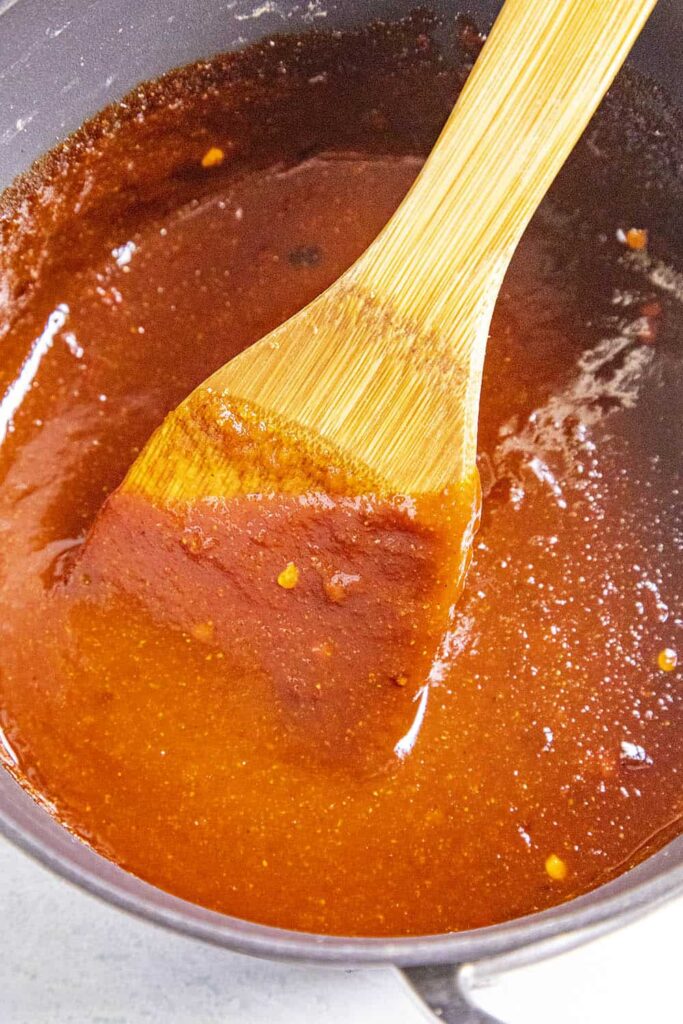
These are just two of the most common flavors, but there are so many more choose from, and they’re all delicious.
From Street Food to Cultural Icon
By the 1980s and 1990s, Korean Fried Chicken had become increasingly popular throughout South Korea.
Small neighborhood chicken shops began opening throughout cities, serving crispy fried chicken as an affordable and shareable meal for families and friends.
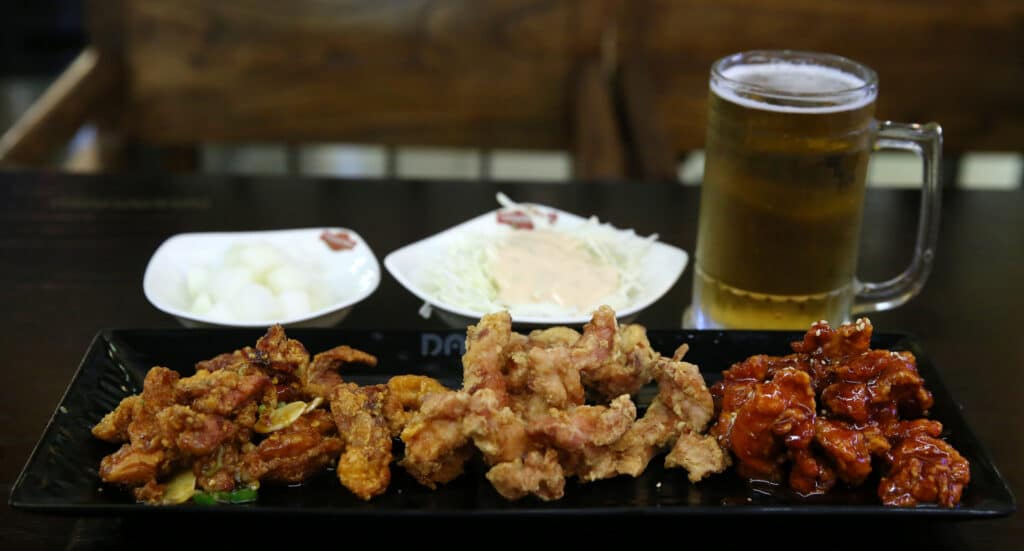
One major factor behind its popularity was the rise of South Korea’s famous social tradition known as “Chimaek.”
The word combines:
Chi = Chicken
Maek = Maekju (Beer)
Together, Chimaek represents the cultural tradition of gathering with friends to enjoy fried chicken and cold beer — a popular pastime after work, during sporting events, and during social gatherings.
Over time, fried chicken became deeply woven into modern South Korean culture.
Korean Fried Chicken Goes Global

While Korean Fried Chicken remained hugely popular domestically for decades, it wasn’t until the 2000s that the rest of the world began discovering it.
The rise of the Korean wave, also known as Hallyu, helped introduce international audiences to Korean culture through music, television, movies, and food.
Restaurants specializing in Korean Fried Chicken began opening across the United States, Europe, and other parts of Asia.
Today, major international chains have helped introduce millions of people to this unique style of fried chicken, turning it into a globally recognized comfort food.
Food as a Reflection of Cultural Exchange
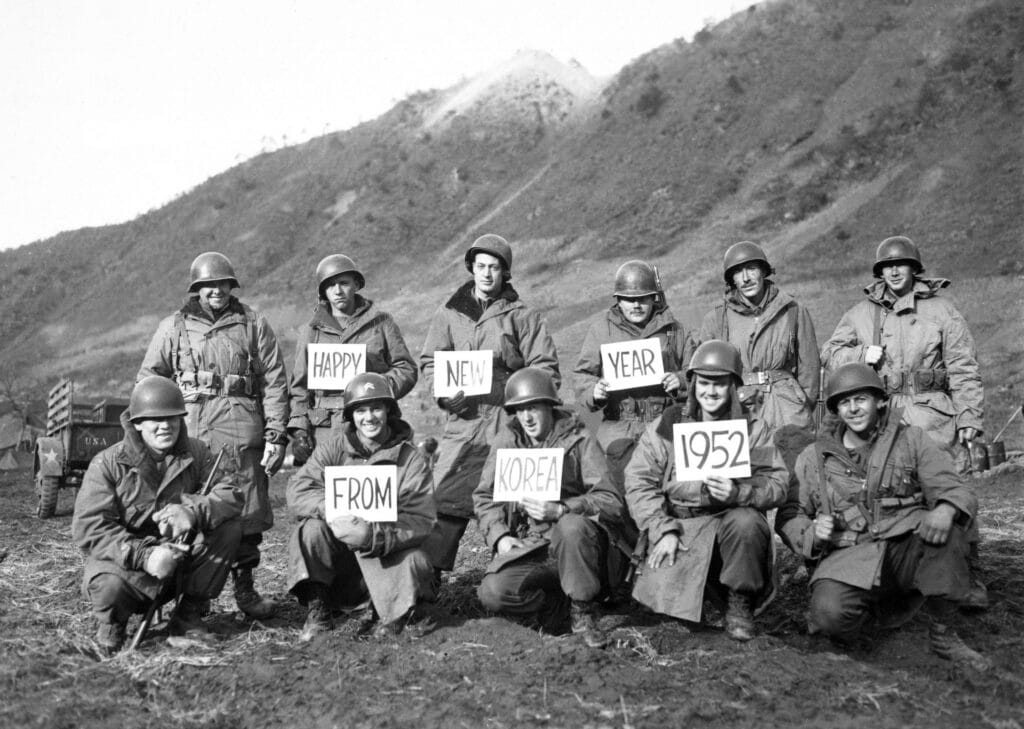
The story of Korean Fried Chicken represents something much bigger than a popular meal. It reflects how cultures influence one another through history, travel, and human connection.
An American comfort food introduced during wartime eventually evolved through Korean creativity and innovation into something entirely new. A dish now beloved around the world.
Military Service Members frequently find themselves stationed far from home, experiencing new cultures, traditions, and communities around the world. Along the way, they bring pieces of home with them while also embracing the customs of the places they serve.
Sometimes those connections shape history in unexpected ways, even in something as simple as a plate of fried chicken.
Celebrating National Fried Chicken Day
National Fried Chicken Day offers the perfect opportunity to appreciate the many cultural variations of this beloved dish.
Whether you enjoy traditional Southern fried chicken, spicy Nashville hot chicken, Japanese karaage, or Korean Fried Chicken tossed in sweet and spicy sauce, the celebration reminds us that food has an incredible ability to connect people across generations and across borders.
This year, consider trying Korean Fried Chicken and experiencing firsthand why it has become one of the fastest-growing culinary trends in the world.
You might discover that behind every bite lies a story of history, innovation, and cultural connection spanning decades.
Supporting Those Who Serve

At Soldiers’ Angels, we know that shared meals often bring people together in powerful ways.
From supporting deployed Service Members to assisting Veterans and military families facing food insecurity through programs like our food distributions and food pantries, we understand that it represents more than nourishment. It represents security and peace of mind.
As we celebrate National Fried Chicken Day on July 6, we’re reminded that even something as simple as a meal can carry history, culture, and stories that connect people around the world.
Because sometimes the foods we love most tell stories far greater than we realize.
And sometimes, those stories begin with service.
About the Author

Adrian Martinez is the Marketing and Communications Manager for Soldiers’ Angels. He served in the U.S. Navy for four years and graduated from The University of Texas at San Antonio in 2021.